Hantengu — Demon Slayer
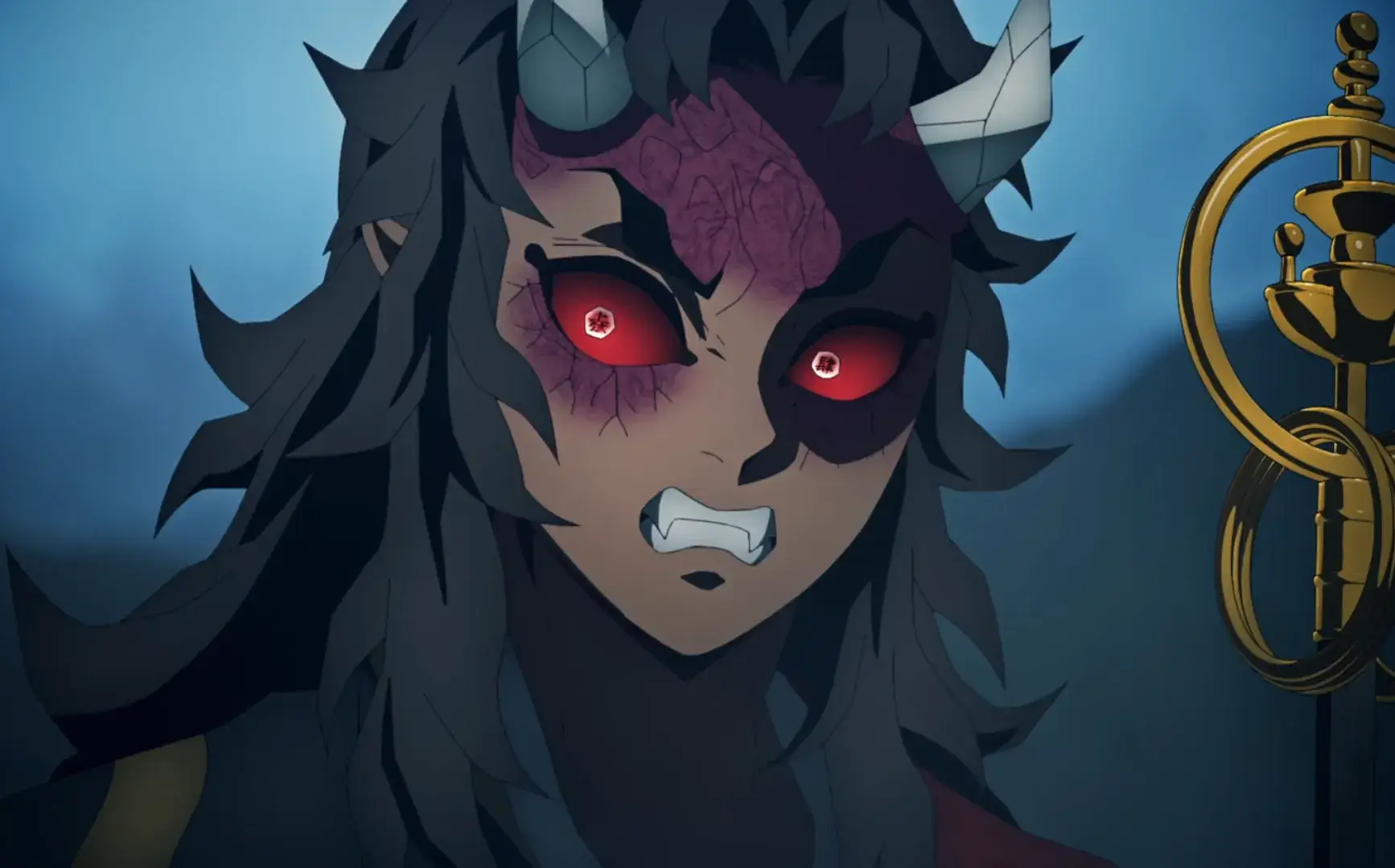
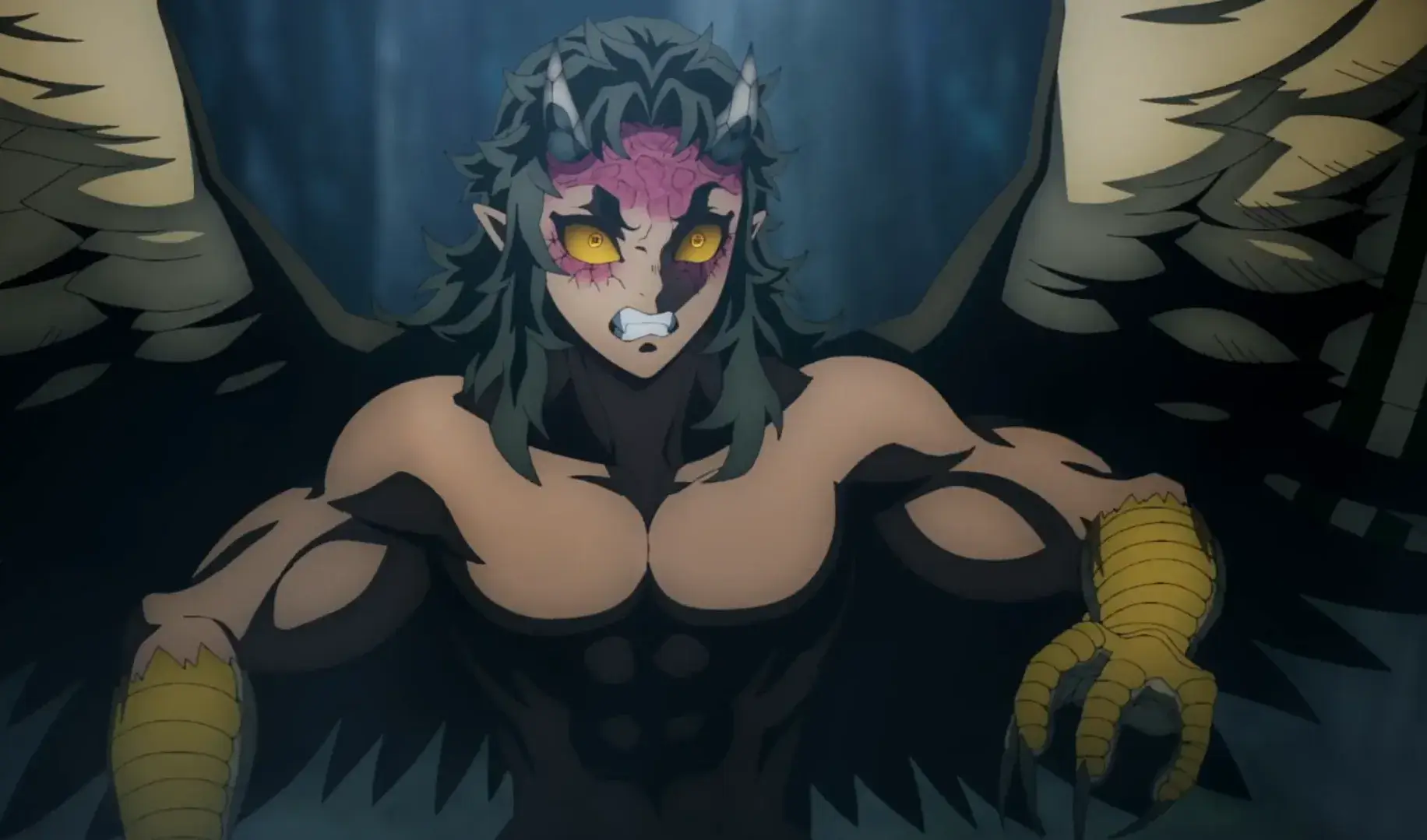
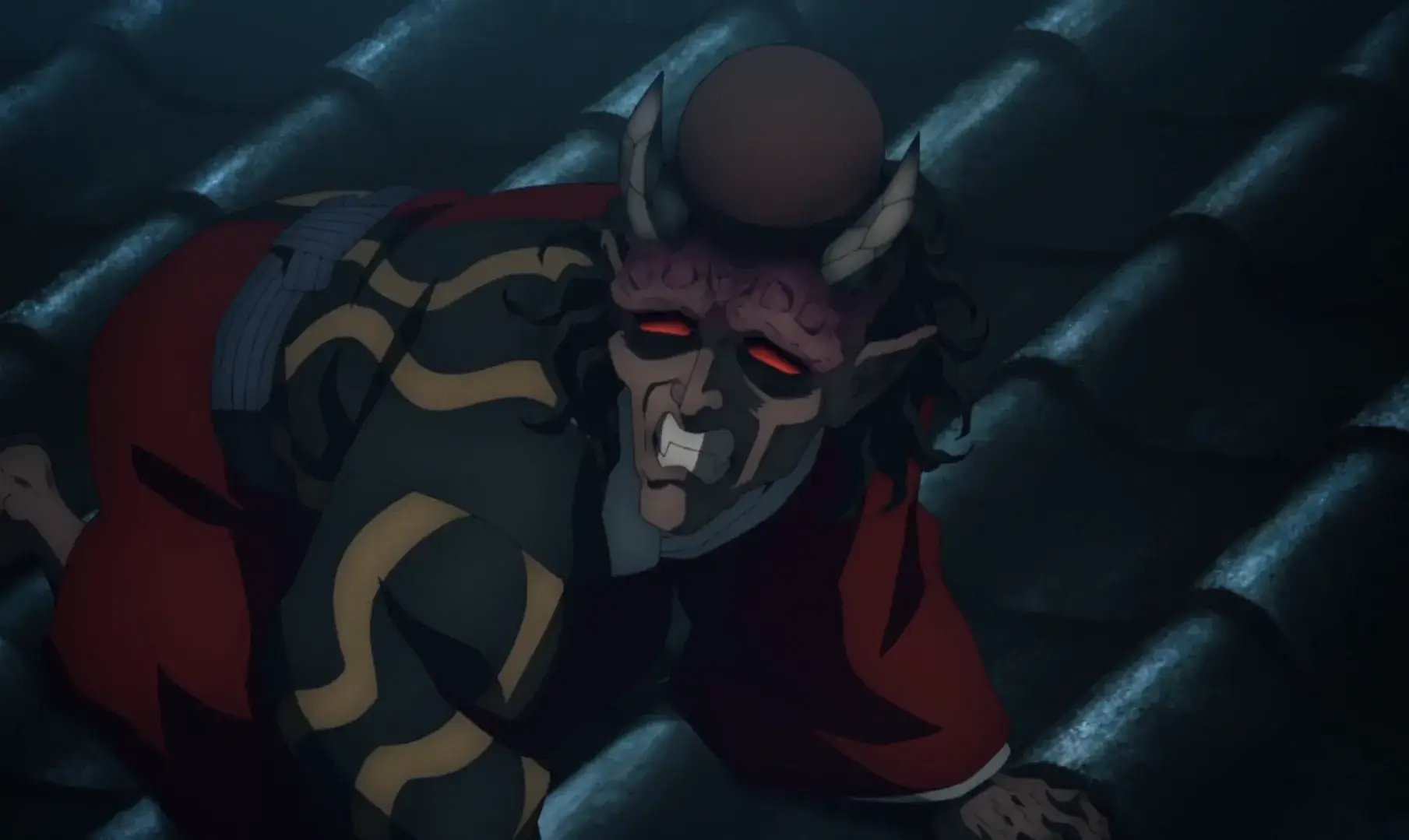
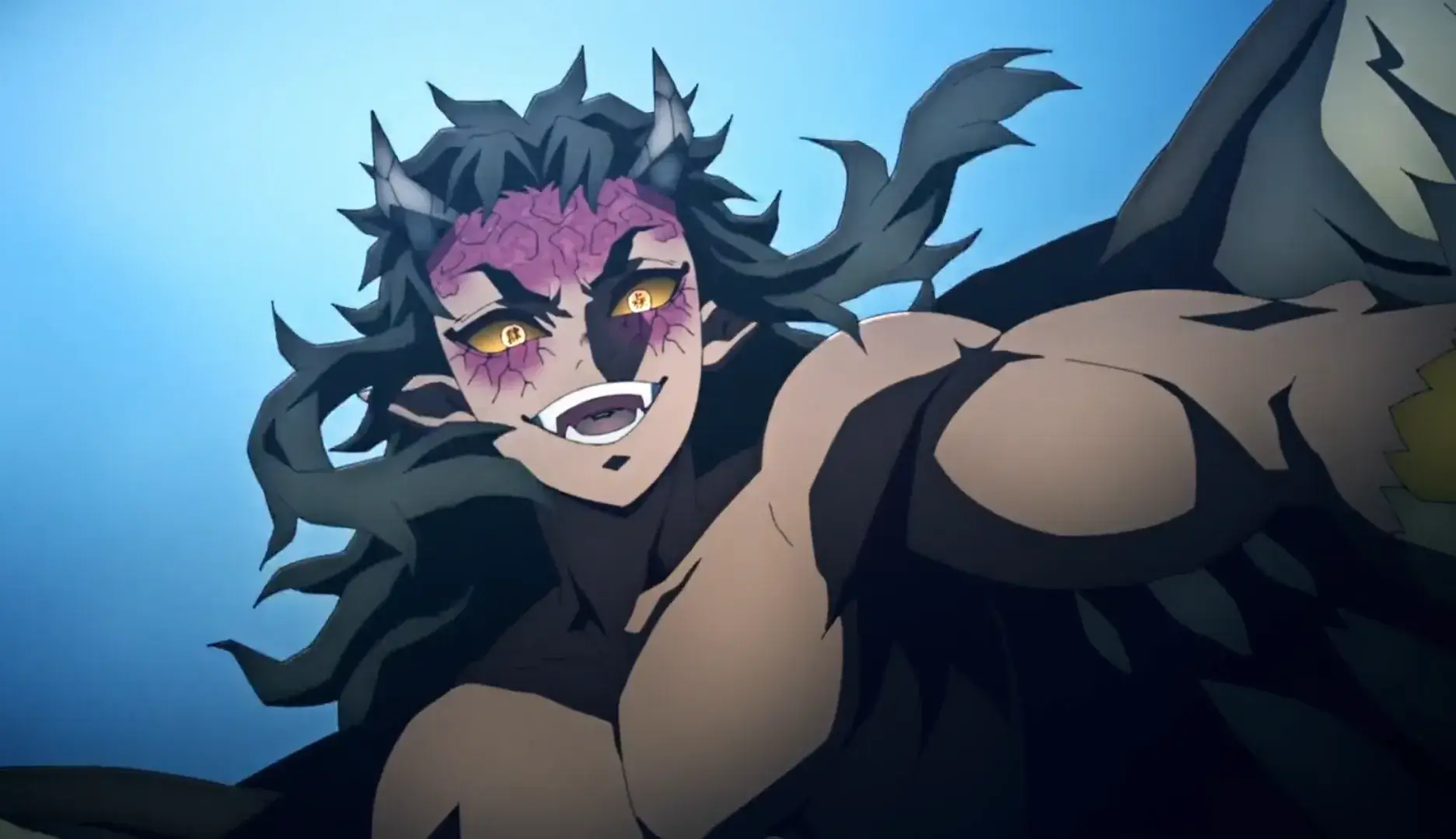

Origins and Transformation
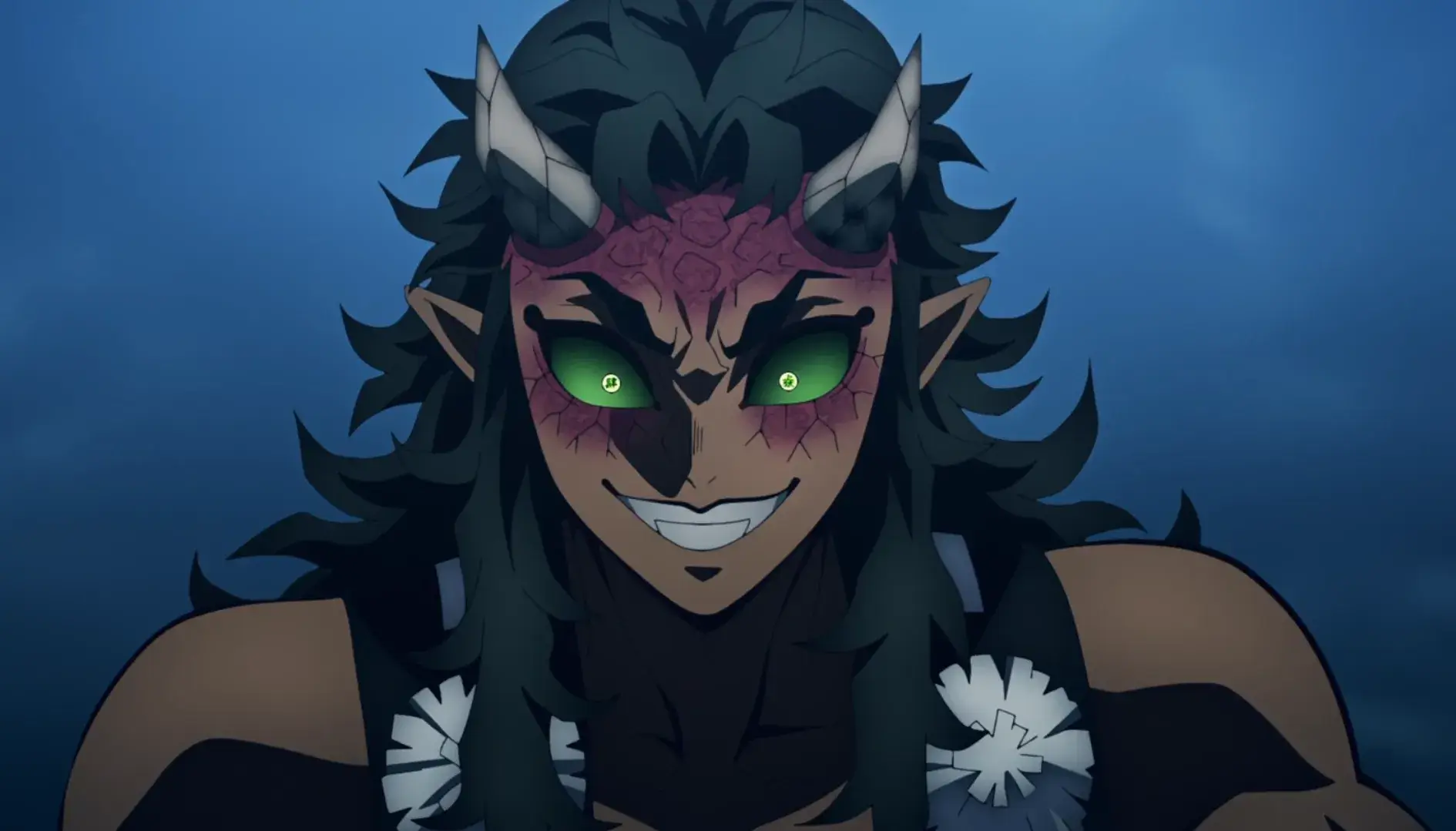
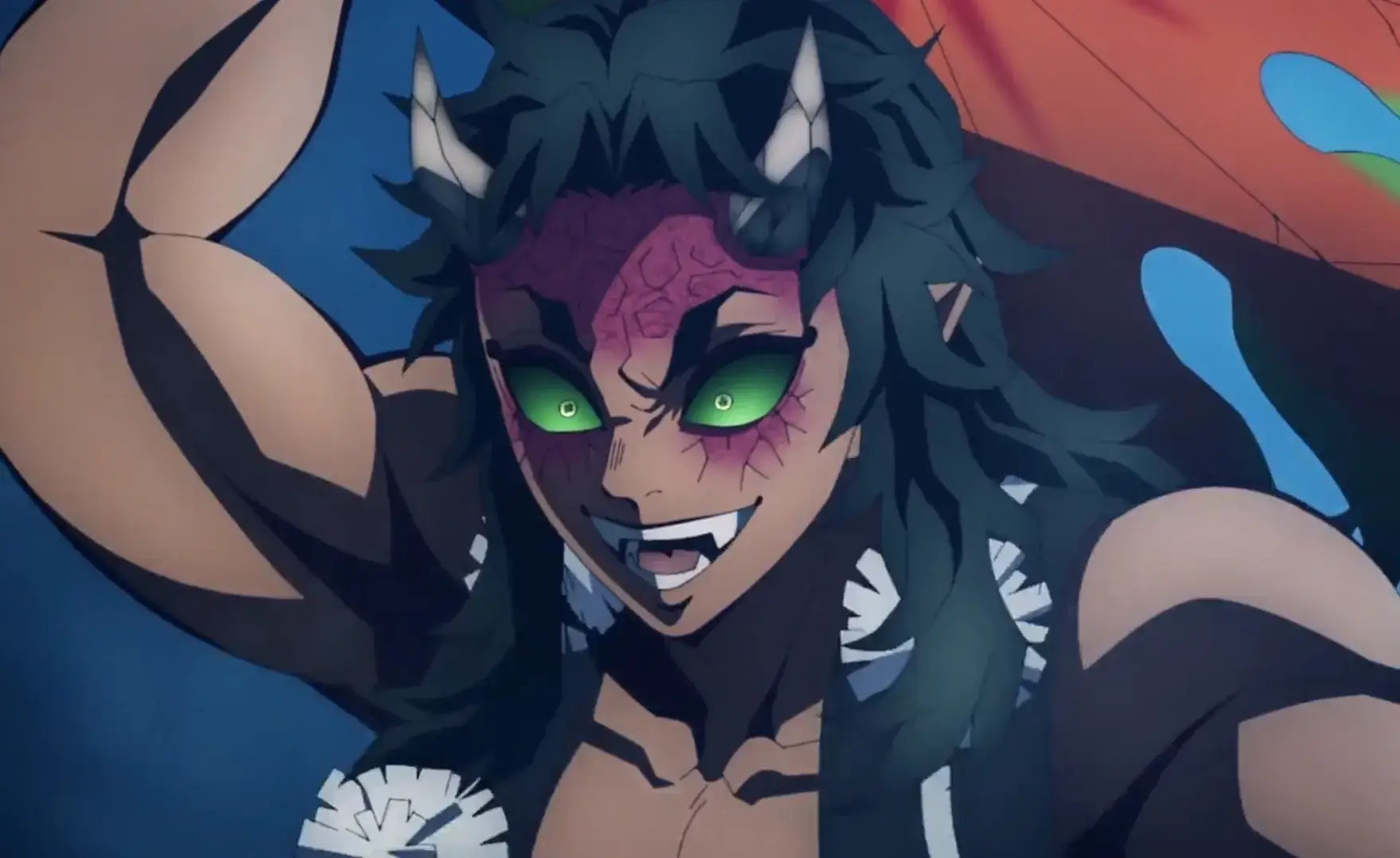
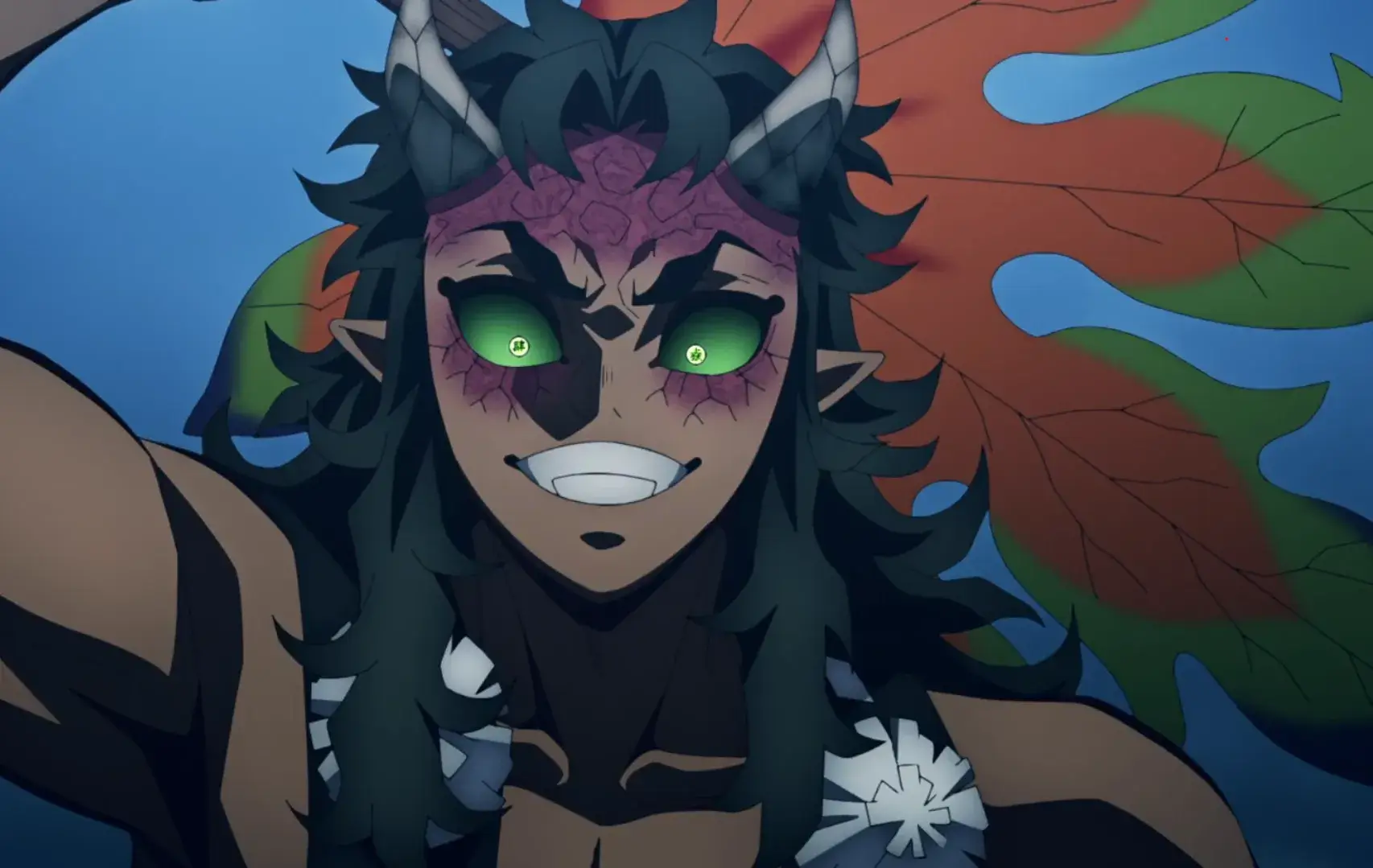
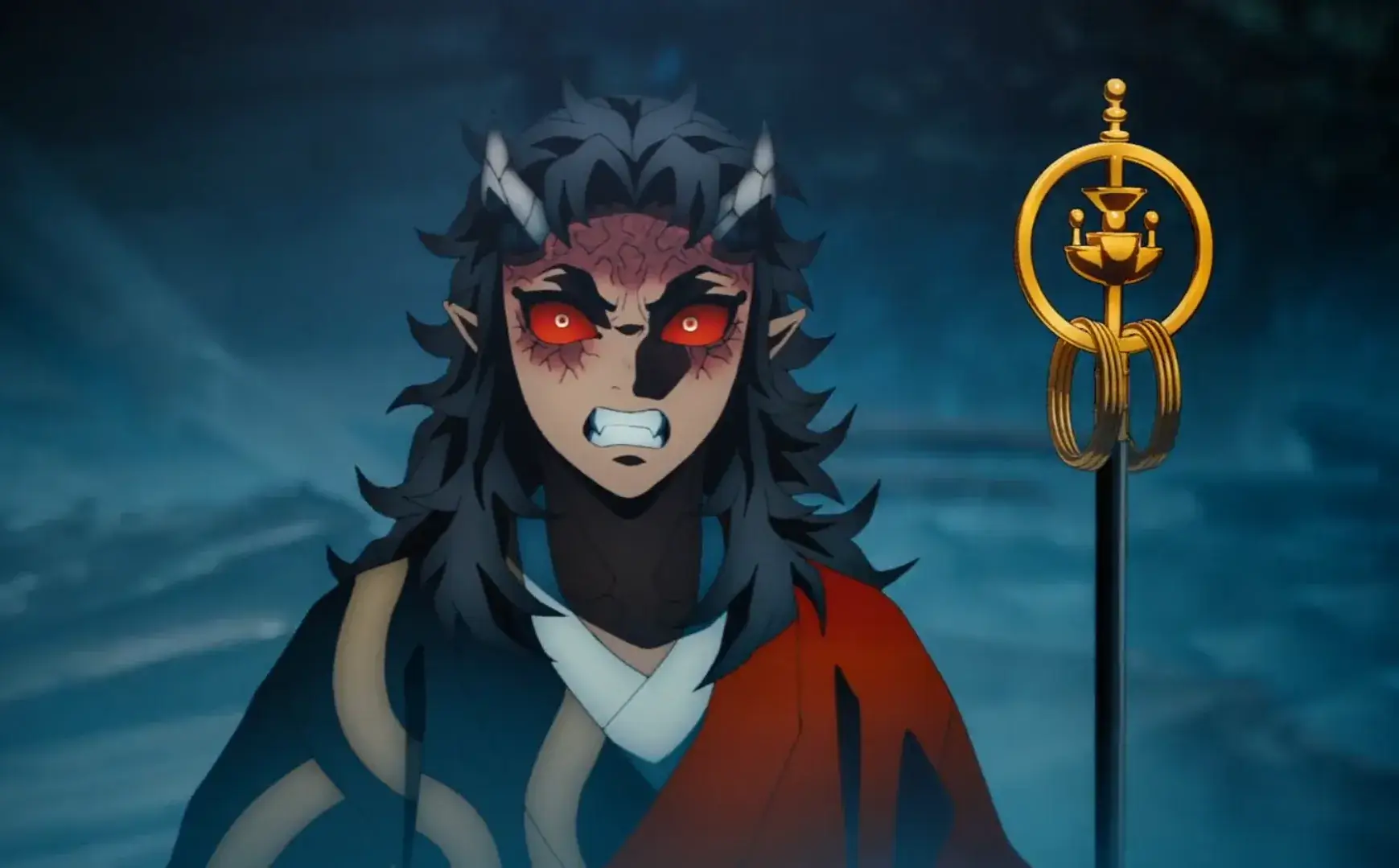
Hantengu’s human past is only fragmentarily shown, yet those glimpses convey a life ruled by paranoia, self-deception, and persecution mania. Born during Japan’s Edo period, he was a drifter whose frail frame and perpetual expression of terror made him the target of suspicion wherever he traveled. Documents and flashbacks suggest that he committed multiple crimes—primarily theft and murder—while insisting to every magistrate who questioned him that he was innocent, an afflicted “victim” of circumstance. The gap between the atrocities he performed and the justification he invented for them laid the psychological groundwork that Muzan Kibutsuji later exploited. When Muzan discovered the condemned criminal in a cell awaiting execution, he offered demonification as a stay of death. Transformation magnified every latent trait: the terror became cosmic, the self-pity delusional, the instinct to harm unrestrained. Such origin details matter because they explain why Hantengu’s demon form literally splits into emotional avatars—his personality could not remain cohesive under the weight of amplifying demonic energy, so it shattered instead.
Personality and Psychological Profile
The core of Hantengu’s psyche is fear weaponized. Unlike Akaza’s pride or Daki’s vanity, his primary drive is to flee accountability. He trembles, begs, and sobs even when he possesses the clear physical advantage, because his relationship to power is defensive rather than assertive. This makes him unpredictable: cornered prey can be more vicious than a confident predator. Moreover, he exhibits pathological externalization—every misfortune is someone else’s fault, every accusation a false charge. This inability to internalize blame crystallizes into his Blood Demon Art, which casts off negative emotions into autonomous combat entities. Within that mechanism lies an instructive paradox: though he appears weak, the act of running from responsibility literally fuels his strength. Hantengu is therefore a case study in how Demon Slayer reframes emotional states as combat potentials, illustrating that cowardice can be as lethal as courage when reified through supernatural means.
Relationship to Muzan Kibutsuji
Muzan values two qualities in subordinates: usefulness and unquestioning obedience. Hantengu embodies both. His paranoia makes him incapable of betraying Muzan—not from loyalty, but from terror of retribution. Muzan exploits this by deploying him on reconnaissance and assassination missions where stealth and information gathering matter more than brute force. The Upper Rank hierarchy shows that Muzan does not rank demons solely by raw destructive capacity; rather, he assesses overall strategic value. Hantengu’s ability to divide into multiple bodies grants simultaneous multi-front engagement, an asset no other Upper Rank replicates. Muzan’s rare displays of approval—such as withholding punishment after minor failures—underscore how indispensable he finds that versatility. Yet their relationship is not paternal; Muzan sees Hantengu as a disposable tool, evident in his willingness to send him alone to the heavily defended Swordsmith Village. The dynamic thus reinforces Demon Slayer’s recurring theme that Muzan’s “family” is a façade masking merciless exploitation.
Demonic Physiology and Abilities
Baseline physiology places Hantengu at the pinnacle of the Twelve Kizuki. His skeletal slenderness belies immense musculature capable of instantaneous leaps across forest canopies. Vessels of demonic blood circulate at speeds unknown to human anatomy, empowering hyper-accelerated regeneration that can reconstitute shredded tissue within seconds. Despite widespread belief that sunlight kills demons indiscriminately, the series hints that Upper Ranks like Hantengu enjoy marginally longer exposure tolerance—measured in heartbeats—before cellular combustion. His senses surpass even other Upper Ranks in auditory range, allowing him to detect Nichirin blades slicing air from hundreds of meters away. Additionally, his claws secrete a paralytic venom distinct from Daki and Gyutaro’s blood blades; this venom interrupts the neural signals of breathing styles, momentarily preventing demon slayers from executing Total Concentration Breathing and buying Hantengu precious escape time.
Blood Demon Art Overview
The signature power, officially titled Emotion-Manifesting Split Clone Technique, converts intense psychological states into independent demonic bodies. Each clone—Sekido, Karaku, Aizetsu, and Urogi—retains the durability, speed, and regeneration of Upper Rank status while gaining unique supplemental abilities. Cloning is not mere duplication; it is partitioning. When a clone materializes, Hantengu’s original body shrinks, concentrating vulnerability into a diminutive primary form protected by the satchel-like growth on its head. This “core” must remain hidden for survival, so the clones function simultaneously as shield and spear. If the main body suffers lethal injury, all clones crumble. Conversely, destroying a clone simply transfers its emotional essence into the surviving entities, escalating their combined power until Zohakuten appears. The Blood Demon Art therefore exemplifies Demon Slayer’s sophisticated combat escalations, where defeating an opponent’s phase increases rather than decreases the threat level.
Clone Mechanism and Core Principles
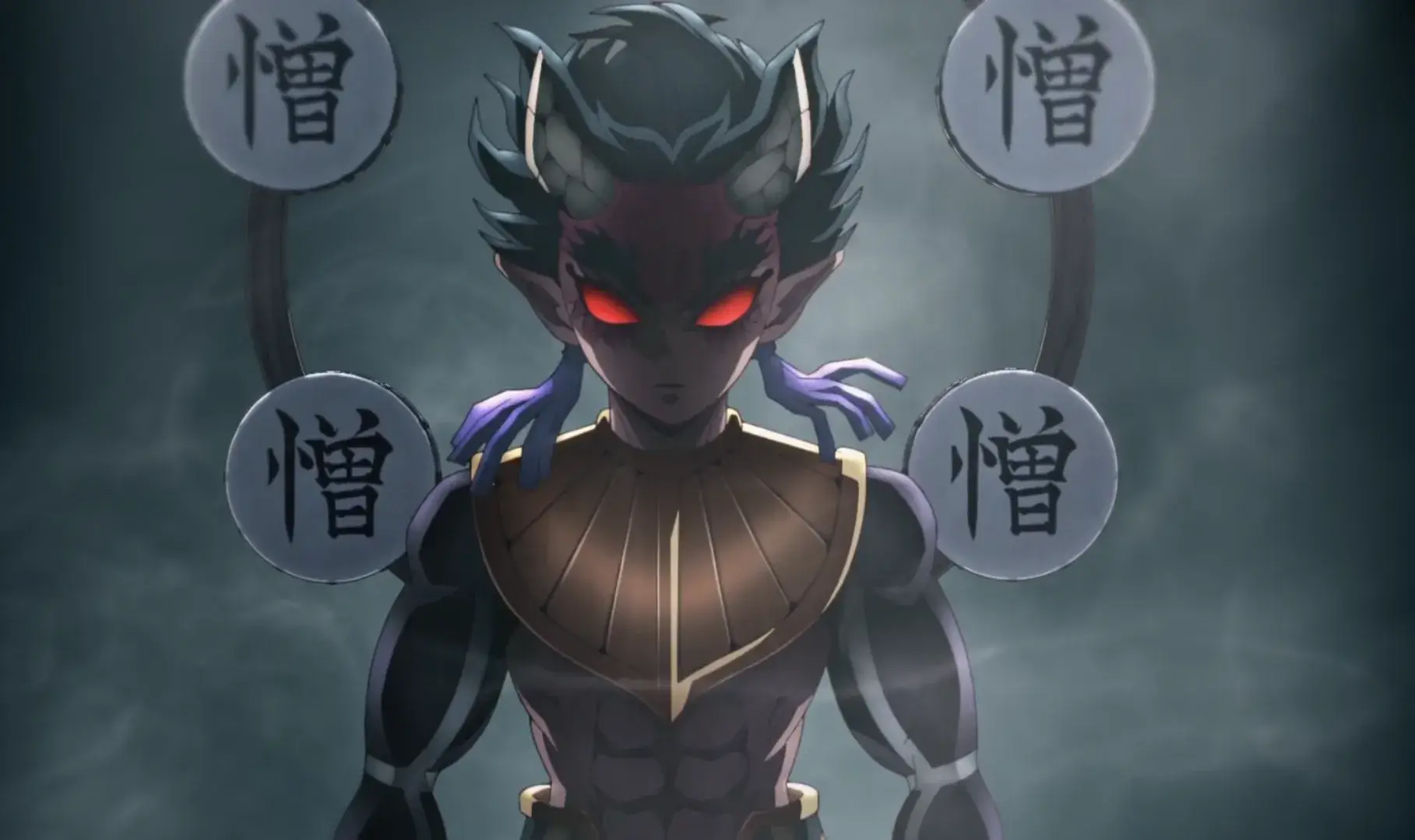
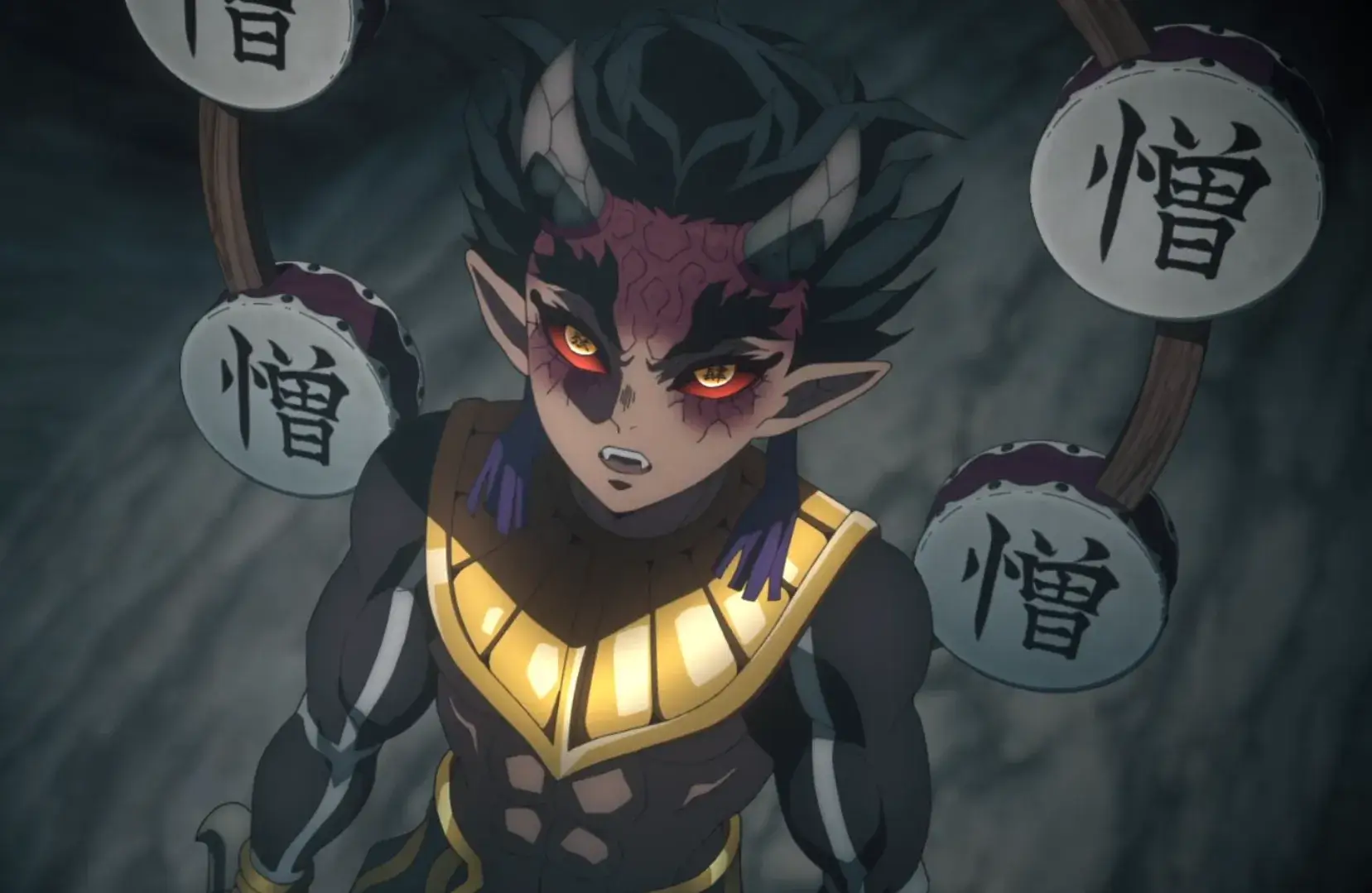
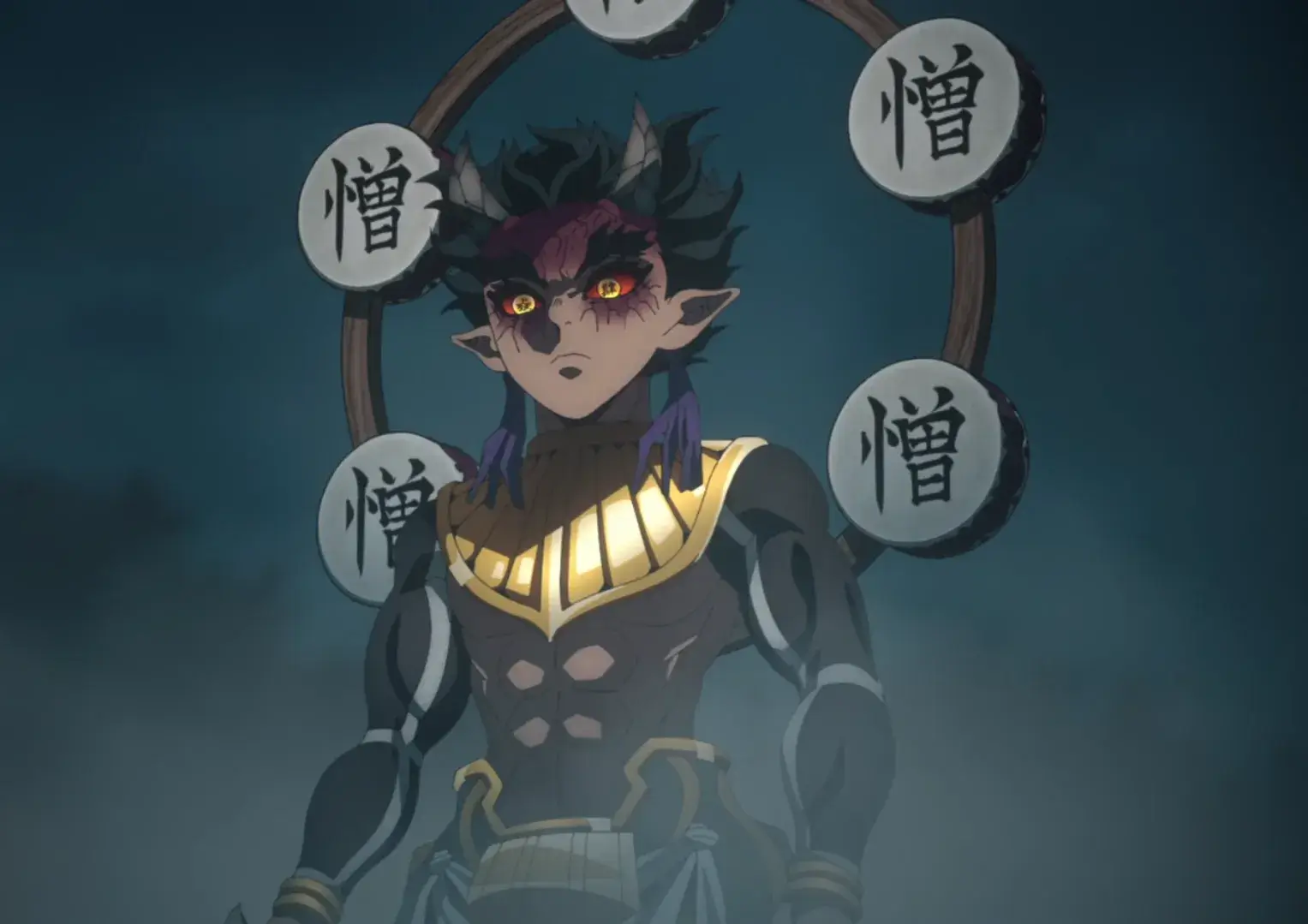
Mechanically, the split occurs via rapid mitosis triggered by blade contact. When a Nichirin sword pierces Hantengu’s neck, demonic cells around the wound proliferate and sculpt a fully formed clone within moments. Unlike bacterial fission, the process does not halve mass uniformly; instead, genetic information copies while mass redistributes unevenly, leaving the original host doll-sized. Tanjiro speculates that this selective mass displacement is deliberate: bigger clones are easier decoys, whereas a tiny main body is harder to detect. Each emitted clone carries an engraved kanji that identifies its emotional domain, readable to combatants fluent in ancient script. The clones operate under a hive-mind network: they share sensory data in real time, allowing coordinated flanking without verbal communication. Cutting them fails to replicate the split endlessly because the technique obeys a conservation principle—the maximum separate consciousnesses equals the number of extreme emotions Hantengu can psychologically sustain without collapsing, capped at six.
Sekido Clone Analysis
Sekido represents Wrath, and his demeanor is perpetually incensed. Physically, he sports wild crimson hair, lightning-forked horns, and an expression of disdain. His weapon—a halberd-shaped Khakkhara—doubles as a conductor for electrokinesis. Sekido’s technique, Anger’s Thunderclap, generates purple electrical arcs that paralyze muscles upon conduction through metallic objects or moist ground. Electromagnetic pulses can also disrupt Nichirin blades by inducing eddy currents that heat the metal, weakening sharpness over time. Strategically, Sekido functions as the battlefield controller, using area denial to funnel demon slayer opponents toward the other clones. His neurological sophistication is notable: he anticipates counter-attacks by reading micro expressions, making him arguably the most dangerous of the quartet in a tactical sense. Despite his aggression, Sekido shares Hantengu’s delusional innocence, roaring accusations that his pain is the swordsmen’s fault, revealing the underlying cowardice that birthed him.
Karaku Clone Analysis
Embodiment of Relaxation or hedonistic placidity, Karaku appears laid-back with evergreen hair and a kimono casually draped over one shoulder. He wields a unique maple-leaf uchiwa fan capable of generating localized typhoons. By altering air pressure gradients, Karaku can launch shredding wind scythes that shear tree trunks, or produce macro-scale vacuums that deprive opponents of oxygen. Interestingly, Karaku enjoys combat as entertainment; he praises strong techniques and urges demon slayers to “loosen up” and savor the moment. This psychological makeup suggests that Hantengu’s suppressed desire to feel at ease manifests ironically in a clone that extends chaos—relaxation through others’ struggle. However, this same carefree attitude becomes a tactical vulnerability: Karaku underestimates opponents, allowing Genya Shinazugawa to wrest the fan from his grip and reverse its destructive gusts against him. His eventual absorption into Zohakuten underscores Demon Slayer’s moral that complacency invites downfall.
Aizetsu Clone Analysis
Aizetsu personifies Sorrow. His melancholic blue hair, tear-streak facial markings, and downturned gaze project an air of hopeless resignation. Mechanically, Aizetsu brandishes a yāru long spear whose shaft can extend elastically, enabling thrusts from unpredictable angles. The spear tip secretes a corrosive enzyme that breaks down Nichirin steel at a molecular level, compromising structural integrity after multiple strikes. What distinguishes Aizetsu is his eloquence. He articulates despair in florid language, attempting psychological warfare by convincing opponents their struggle is futile. Against the Wind Hashira’s brutal optimism, these nihilistic monologues gain little traction, yet the tactic reveals that Hantengu’s self-pity runs so deep it earns a separate embodiment. During the Swordsmith Village battle, Aizetsu’s fluid fighting style complements Sekido’s rigidity, forming pincer assaults that trap opponents between despair-induced hesitation and wrathful lightning strikes.
Urogi Clone Analysis
Urogi epitomizes Joy cast in its most feral variant: glee at inflicting pain. Avian traits dominate his design—golden feathers, taloned toes, and membrane wings enabling supersonic flight bursts. Urogi’s voice emits at ultrasonic frequencies, creating resonance capable of shattering eardrums and disrupting concentration breathing patterns. His beak houses serrated barbs aligning with arteries when he bites, maximizing blood loss. Urogi’s agility surpasses Zenitsu’s Godlike Speed in short sprints, making vertical engagement his forte. Thematically, he represents the ecstatic high criminals experience when they escape accountability, mirroring Hantengu’s exhilaration at evasion. Despite his physical prowess, Urogi lacks strategic patience; he prioritizes immediate thrills over coordinated objectives, forcing Sekido to rein him in via electrical shocks when he strays from group plans. His aerial clashes with Tanjiro and Nezuko provide some of the arc’s most kinetic choreography, emphasizing vertical space in combat staging.
Zohakuten Form Analysis
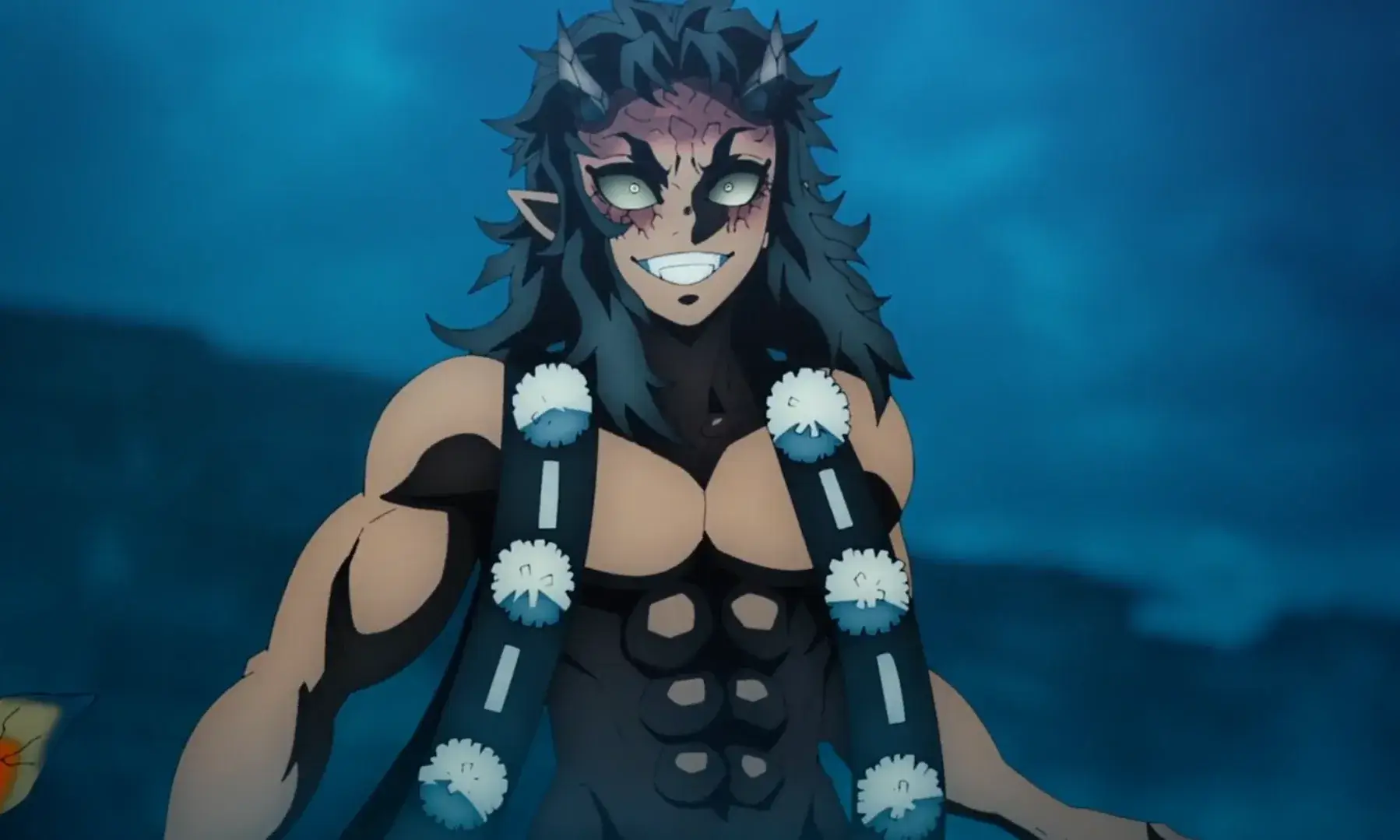
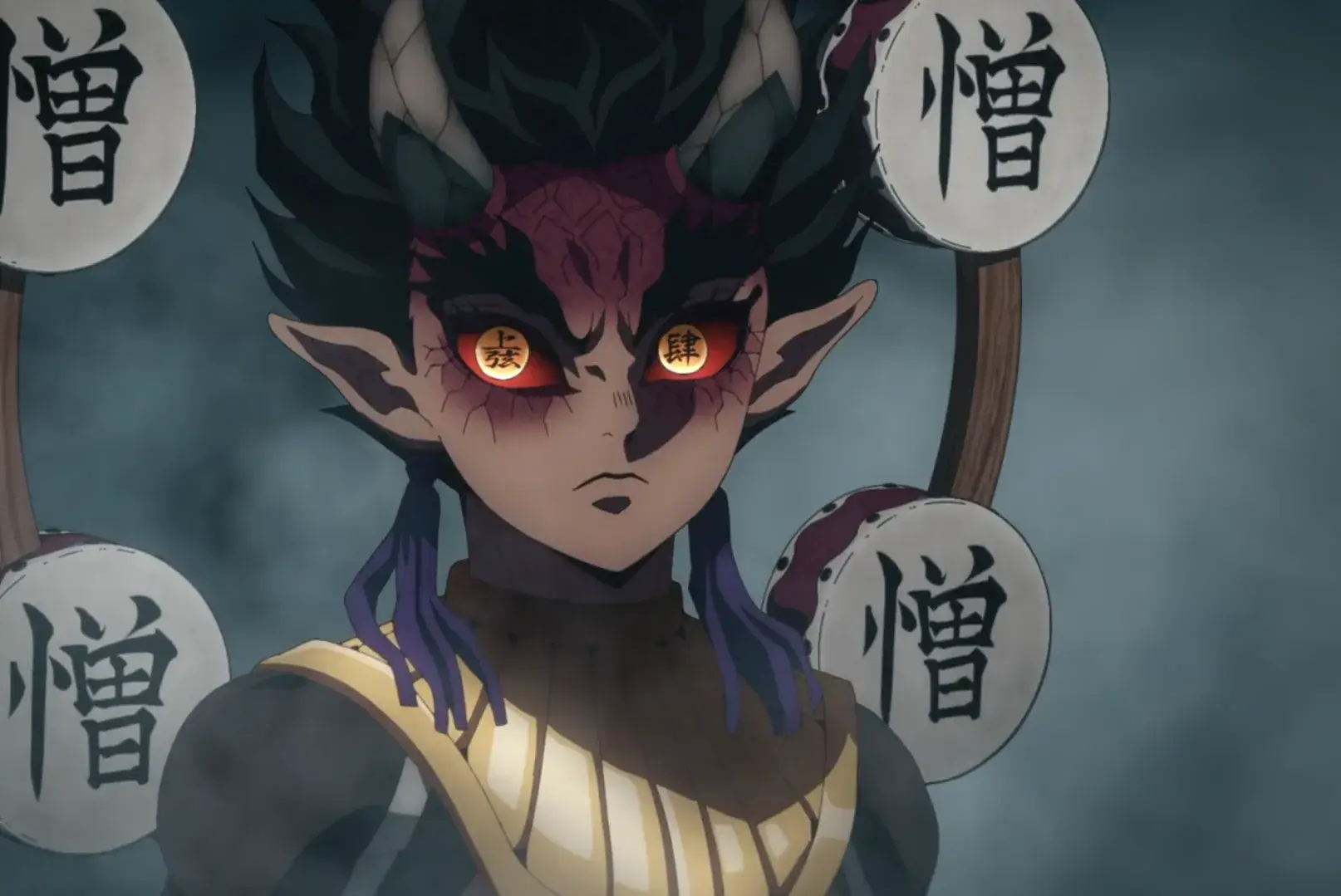
When the four primary clones merge under Sekido’s command, they create Zohakuten, an entity embodying Hatred. This composite form is childlike in appearance yet monumental in aura, adorned with serpentine wooden dragons protruding from its back. Zohakuten’s Blood Demon Art manipulates wood through rapid cellulose generation, shaping dragons that stretch for hundreds of meters while maintaining steel-like hardness. Each dragon head channels one elemental force—wind, sound, lightning, and crushing pressure—corresponding to the original clones’ powers. Zohakuten’s intellect eclipses the sum of its parts; it analyzes Mitsuri’s Love Breathing motions in microseconds, predicting attack vectors with algorithmic precision. His rhetoric abandons Hantengu’s victim narrative, replacing it with righteous fury: he labels demon slayers “tormentors” deserving annihilation. The tonal shift signifies hatred as the terminal evolution of fear and self-pity, echoing historical psychology theories that prolonged fear can metastasize into violent resentment.
Urami Support Role
The last emergent personality, Urami, surfaces only when the core body faces existential threat. Representing Resentment, Urami appears as an emaciated idol-sized demon with bulging eyes and a perpetual scowl. His sole ability is Ten Thousand-Fold Shackling Phelgm, a mucus-based prison that mimics the nutritional siphoning properties of spider silk. Victims enveloped in the mucus gradually lose blood sugar, inducing exhaustion in minutes. Urami never attacks proactively; instead, he latches onto the main body’s back, serving as sentry. The fact that resentment manifests as a bodyguard underscores Demon Slayer’s observation that bitterness often functions as self-protection, albeit at the cost of growth. Urami’s release heralds Hantengu’s desperation phase, signaling to readers that the battle has escalated to its climax.
Regeneration and Survival Strategies
Hantengu’s regenerative prowess intersects intriguingly with his split mechanism. Because each clone contains a portion of the original body’s stem-cell reservoir, injuries distribute across the network, enabling parallel healing. This division of trauma reduces per-clone strain, lowering metabolic cost and sidestepping the overheating problem Akaza encounters when regenerating massive damage. Yet the strategy carries risk: sufficient simultaneous damage across all clones overwhelms collective resources. Mitsuri’s whiplike attacks force the clones to regen concurrently, pushing them toward resource exhaustion, which is why Sekido opts to fuse into Zohakuten—to consolidate and economize. The main body supplements its healing by shrinking: less volume requires fewer cells. This tactic, however, also magnifies vulnerability; Tanjiro exploits it by tracking Hantengu’s scent to the shrunken core during the arc’s finale.
Combat Encounters with Demon Slayers
Hantengu’s Swordsmith Village incursion pits him against Tanjiro, Nezuko, Genya, and eventually Mitsuri. Initial exchanges showcase the clones’ synergy, splitting the battlefield into vertical, horizontal, and psychological theaters. Tanjiro takes aerial pursuit of Urogi, Nezuko supports via Blood Burst grenades that combust Sekido’s lightning, Genya chews Nichirin blade fragments to weaponize his Demon Transformation against Aizetsu, and Mitsuri enters later with Love Breathing’s ribbon-like flexibility uniquely suited to deflecting multi-directional attacks. The fight highlights Demon Slayer’s hallmark choreography: rapid cross-cut angles, internal monologue overlays, and dramaturgic pauses that reveal each character’s personal growth. Importantly, the arc underscores Genya’s character arc of self-forgiveness; by confronting Hantengu’s externalized self-pity, Genya reflects on his own history of guilt and cowardice. This narrative mirroring elevates the skirmish beyond mere spectacle.
Tactics Against Mitsuri Kanroji and Tokito
Mitsuri’s arrival forces Hantengu to alter tactics. Her nonlinear Love Breathing trajectories bypass Sekido’s electrical arcs, so Zohakuten compensates by manipulating wood dragons to create rotating barriers, each dragon head spinning contrary to the next to generate a cyclone of splinters. Zohakuten targets Mitsuri’s Nichirin whip-blade, intending to splinter it through repeated high-frequency strikes, yet Mitsuri’s extraordinary muscle density—made possible by genetically unique fast-twitch fibers—allows her to parry while maintaining aerial somersaults. Meanwhile, Tokito Muichiro duels Gyokko elsewhere, but his fight indirectly influences Hantengu: when Tokito destroys Gyokko, Muzan’s telepathic link broadcasts the loss, agitating Zohakuten, whose emotional composition includes Sekido’s wrath. This agitation causes overcommitment of energy to offense, leaving defensive gaps that Tanjiro exploits.
Emotional Resonance and Symbolism
Demon Slayer frequently employs demons as thematic mirrors to the protagonists’ internal battles. Hantengu’s fractured personas symbolize the danger of compartmentalizing guilt instead of integrating it. Each clone dramatizes a maladaptive coping mechanism: anger as deflection, pleasure seeking as denial, sorrow as paralysis, joy as cruelty, hatred as ideological rationalization, and resentment as barricade. Together they paint a cautionary portrait of how refusing self-reflection multiplies one’s inner demons. Tanjiro’s resolution to show kindness even toward enemies directly counters Hantengu’s refusal to accept culpability, reinforcing Demon Slayer’s ethos that empathy, not denial, is the path to transcendence. The wooden dragons of Zohakuten also echo Japanese folklore wherein guilt is described as a “weight of wood” on the soul, implying that Hantengu’s hatred imprisons him within his self-constructed forest of excuses.
Narrative Role in Swordsmith Village Arc
Structurally, Hantengu’s fight serves three narrative goals. First, it escalates stakes after the Entertainment District Arc by showcasing another Upper Rank whose power set is more conceptually complex than Daki and Gyutaro’s sibling synergy. Second, it prompts new character development: Genya discovers partial demonization, Tanjiro integrates Sun Breathing techniques with water-style fluidity, and Mitsuri receives her long-overdue spotlight as a Hashira. Third, Hantengu’s delaying tactics provide cover for gyokko’s smith sabotage, intertwining parallel battles so victory feels interdependent. The arc proves that defeating a single Upper Rank often requires multi-layered cooperation—contrasting earlier arcs where Hashira could solo demons. This cooperative emphasis foreshadows the Final Battle saga where coordinated assaults are essential to confronting Muzan.
Impact on Protagonist Development
For Tanjiro, confronting Hantengu crystallizes a new combat philosophy: targeting the real threat amid distractions. He hones his sense of smell to differentiate between clone scents and the faint odor of the core body, a refinement pivotal when he later tracks Muzan’s multiple hearts and brains. Nezuko’s exposure to Sekido’s lightning also triggers an adaptive response—her demon blood begins to exhibit increased resistance to elemental attacks, hinted at when flames around her become electrically charged. Genya’s absorption of Karaku’s cells unlocks a new hybrid state, setting up his eventual bullet fusion technique. Mitsuri’s heart rate analysis under Zohakuten’s dragon barrages reveals her endurance threshold, informing her later participation in Muzan’s containment strategy during the Infinity Castle battle. Hence, Hantengu indirectly accelerates growth arcs for every protagonist involved.
Comparative Strength Assessment
Ranking Hantengu among Upper Ranks invites debate. Raw power wise, Akaza and Doma outclass him in damage output and martial arts mastery. However, in survivability and versatility, he surpasses both. His clone system demands multi-target suppression, which many Hashira are unequipped to deliver simultaneously. Unlike Kokushibo’s singular overwhelming presence, Hantengu’s danger scales non-linearly with opponent count: more demon slayers on field equates to more possible triggered splits. In infiltration scenarios, his small primary body can slip through seams, making him an ideal assassin. Therefore, his Upper Rank Four position reflects balanced weighting of offensive ceiling, defensive mechanism, and mission utility. If a ranking prioritized elusiveness over frontal combat might, he could arguably rise to Upper Rank Two.
Weaknesses and Ultimate Defeat
Hantengu’s greatest weakness is the inverse of his strength: dependence on emotional fragmentation. Each clone’s demise not only lowers overall manpower but also destabilizes the remaining emotional balance, causing erratic tactical choices. Additionally, the main body’s physical fortitude diminishes with each split; while its neck retains demon resilience, the torso becomes brittle enough for a child to bruise. Sunlight remains lethal, compelling the core to flee at dawn, limiting attack windows. Tanjiro capitalizes on these weaknesses by using Thunderclap and Flash borrowed speed plus Nezuko’s daylight-attenuated resistance to chase and expose the core. Decapitation alone fails due to core miniaturization; Tanjiro must sever neck and torso simultaneously, then slice open the torso to locate a heart camouflaged among viscera. His success underscores Demon Slayer’s emphasis on adaptive strategy over brute strength.
 All rights reserved © 2025