Kuzan — One Piece
Kuzan's Identity and Background
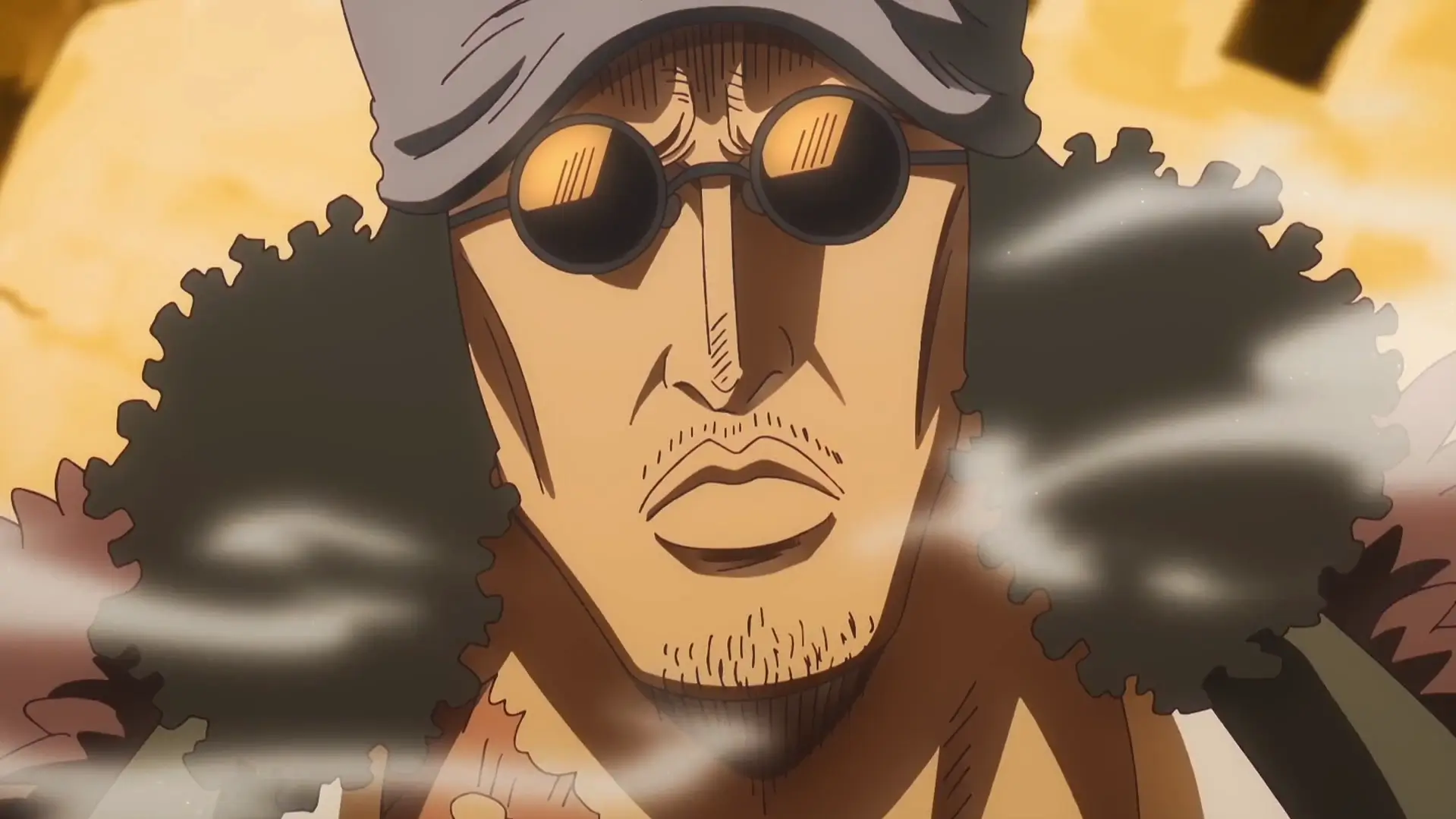
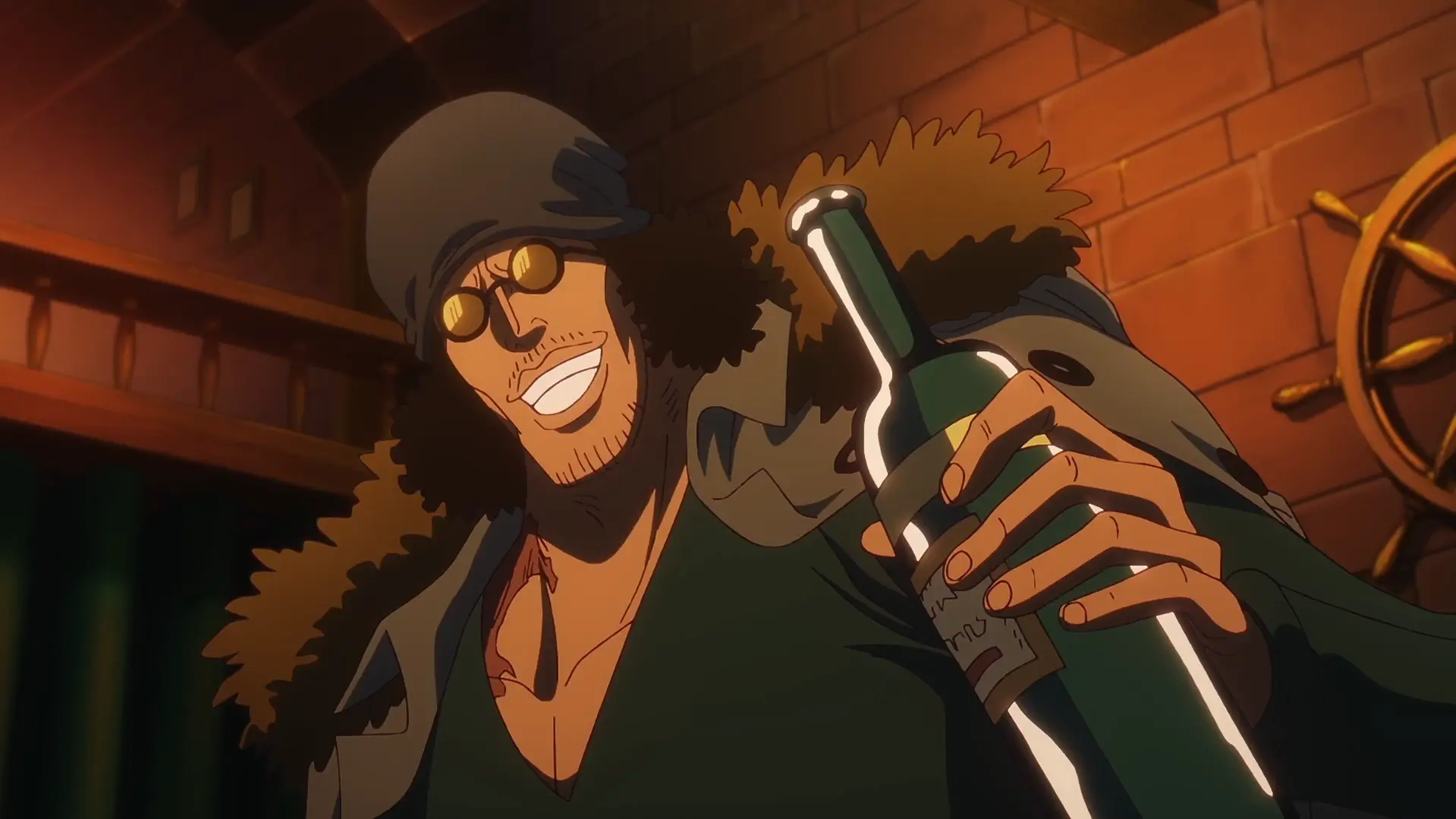
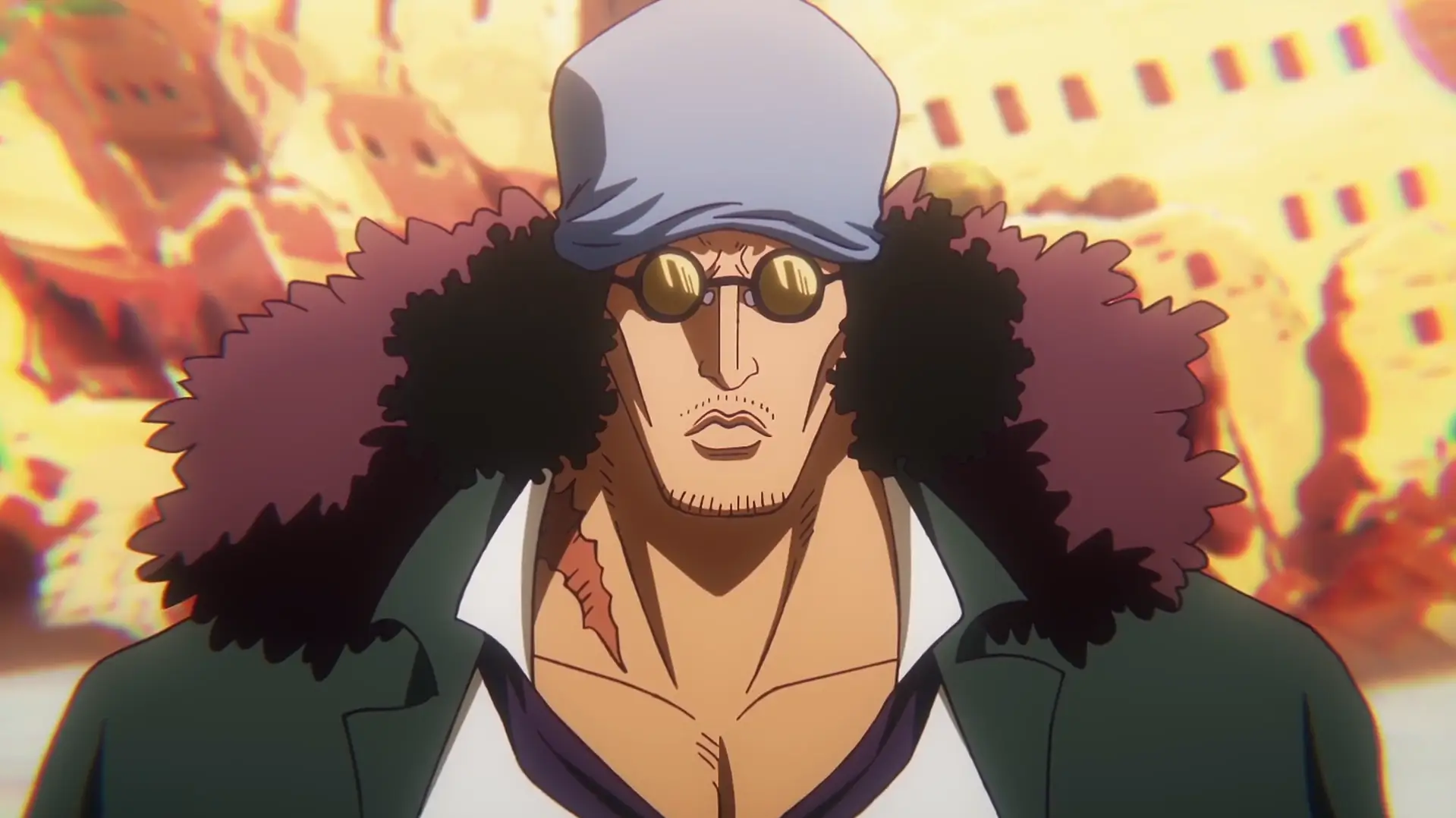
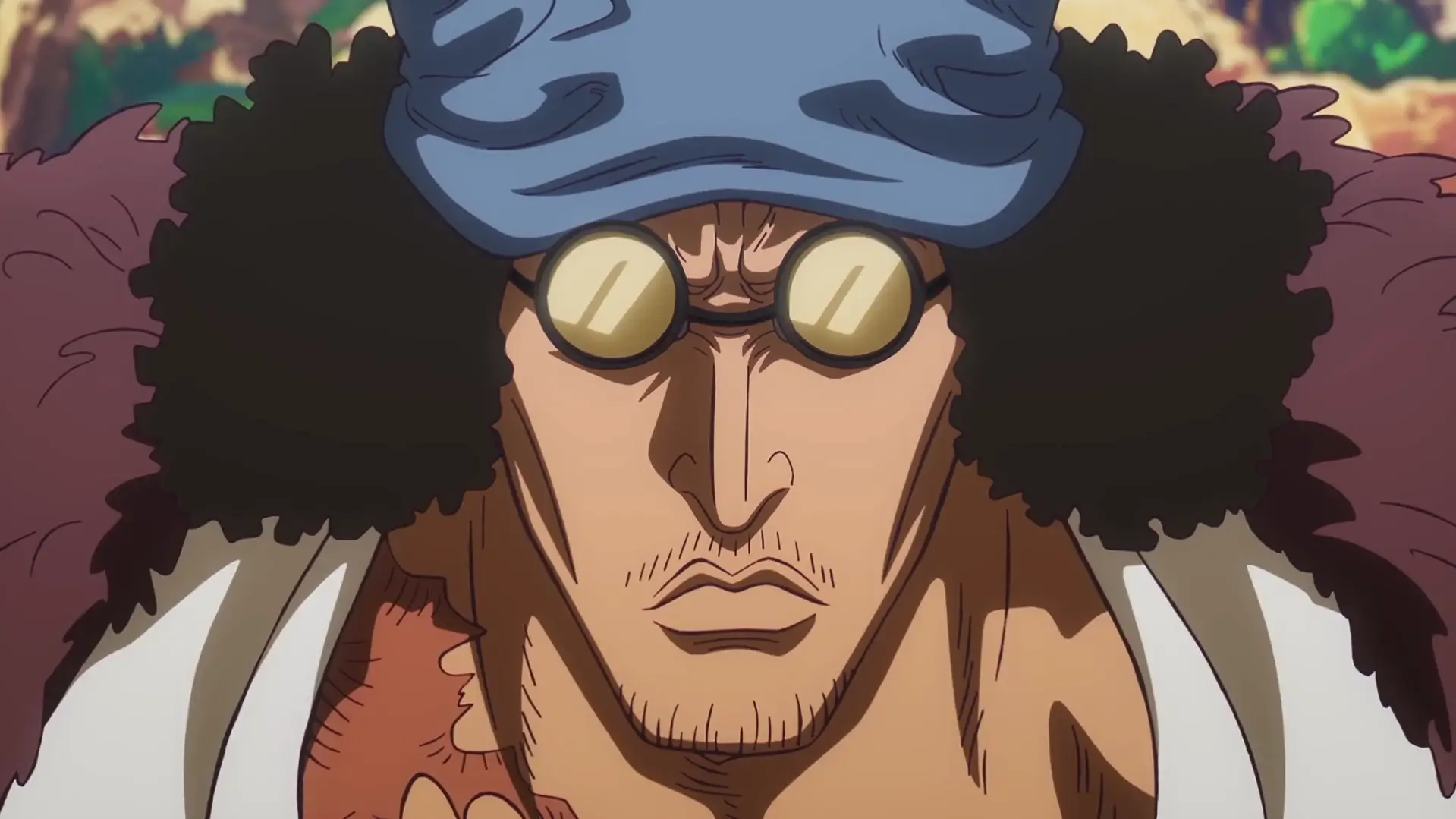
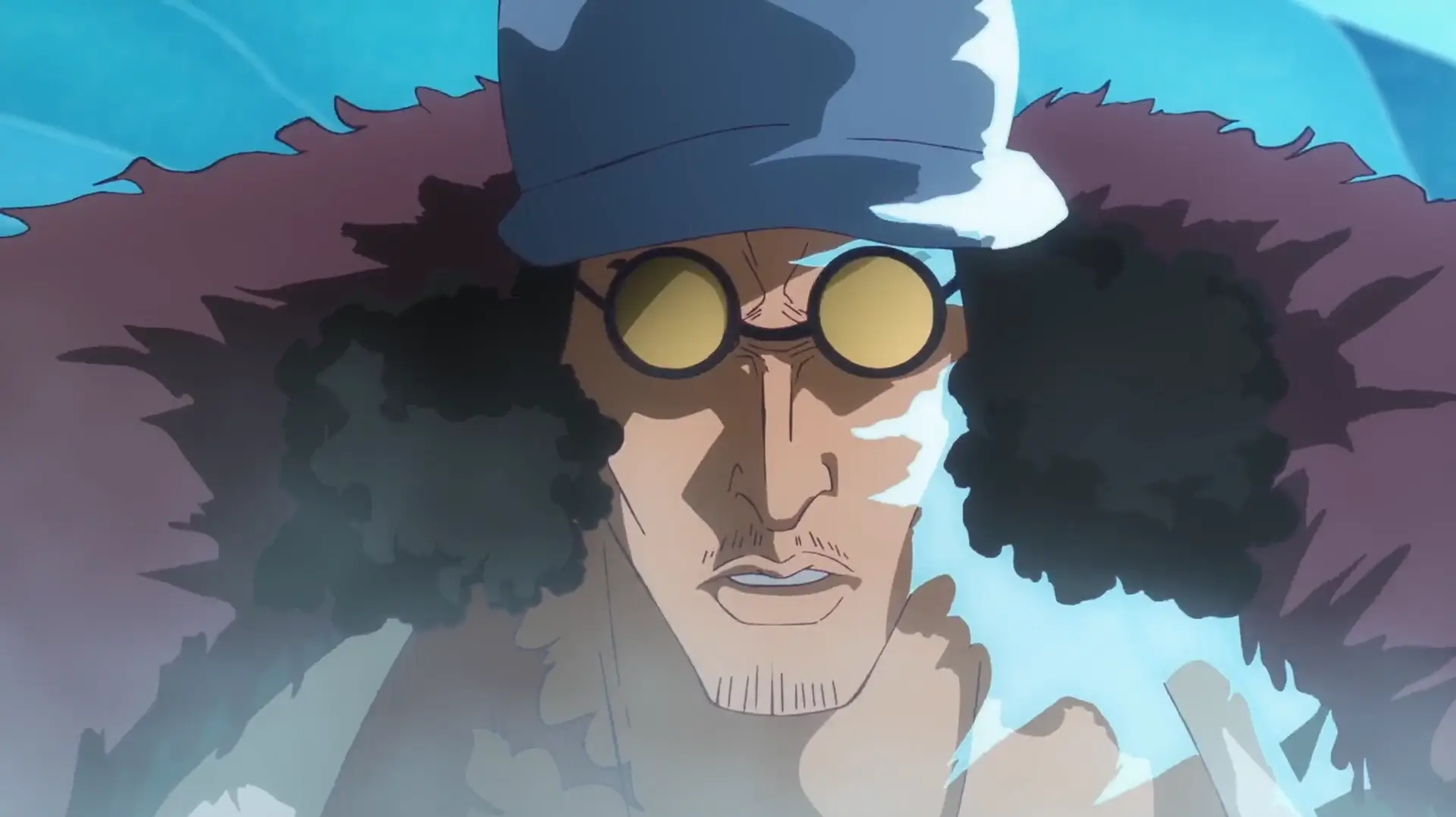
Kuzan, widely known by his former Marine epithet Aokiji, the Blue Pheasant, is a towering, broad-shouldered man who once stood among the three Marine Admirals that embodied the organization’s overwhelming military might. With a laid-back attitude and a constant air of indolence, he masks prodigious intelligence and combat power that earned him both fear and admiration across the Grand Line. After resigning his commission, he resurfaced as the captain of the Blackbeard Pirates’ Tenth Ship, a position that places him at the heart of contemporary pirate geopolitics and makes his personal ideology one of the most discussed mysteries in the fandom.
Early Life and Influences
Details of Kuzan’s childhood remain deliberately sparse in Eiichiro Oda’s canon, yet scattered flashbacks confirm that before he was an officer he was an unruly youth drafted under the tutelage of Marine hero Monkey D. Garp. That mentorship forged an ironic bond between the future admiral and the legendary vice admiral: Garp’s physical-first philosophy and fearless defiance of the World Government’s darker orders sowed seeds of moral doubt in the young recruit. Kuzan’s signature bicycle, easygoing slang, and affinity for napping on roadside grass hint that his formative years were spent far from aristocratic privilege, closer to common folk whose vulnerability later shaped his “Lazy Justice.”
Marine Career Genesis
Rising through enlisted ranks with unusual speed, Kuzan’s aptitude for instinctive leadership became clear during joint operations against mountain bandits in the West Blue. By his late twenties he achieved the rank of rear admiral, coordinating sea-train security in Water Seven and supervising refugees displaced by pirate raids. Unlike contemporaries Sakazuki and Borsalino, he treated subordinates informally, encouraging initiative over blind obedience. His mild manner helped de-escalate civilian riots without excessive force, an approach that would later clash with the Marines’ harsher doctrine under Fleet Admiral Kong.
Ohara Incident
Kuzan’s first major moral crucible arrived during the Ohara Buster Call, where the Government ordered total annihilation of an island of archaeologists to prevent forbidden Poneglyph research. Although he participated, he quietly spared Nico Robin by slipping her a covert escape route on a frozen evacuation raft, rationalizing that a child should not pay for academic curiosity. The decision haunted him for decades, yet it foreshadowed the nuanced stance that would eventually pull him away from absolute Marine loyalty.
Philosophy of Lazy Justice
“Lazy Justice” is less indifference than deliberate restraint: Kuzan argues that reckless, sweeping action often breeds the very suffering the Marines claim to fight. He prefers minimal-force interventions, leaving honest citizens unharmed and reserving lethal intent for the truly tyrannical. His languid speech pattern—ellipsis-laden pauses and slurred honorifics—serves as disarming theater that lowers opponents’ guard until the precise instant decisive ice engulfs them. This doctrine directly opposes Sakazuki’s brutal “Absolute Justice,” setting the stage for their ideological collision.
Promotion to Admiral
Following battlefield heroics against the Giant Warrior Pirates in Elbaf’s territorial waters, Kuzan was elevated to the admiralty. The ceremonial code-name “Aokiji” paired him with “Akainu” Sakazuki and “Kizaru” Borsalino, echoing a folktale of three fearsome animals guarding the seas. Though his new authority allowed broad operational freedom, he sparingly exercised the right to call Buster Calls, believing their collateral damage disproportionate to most pirate threats.
Duties as Admiral
As a field commander, Kuzan specialized in crisis containment: freezing tsunamis to spare coastal villages, solidifying ship-wrecks to create ad-hoc evacuation platforms, and quelling prison breaks in Impel Down’s upper levels. Reports describe him single-handedly immobilizing a twenty-kilometer fleet encirclement by sheathing the sea in ice, allowing Marines to board enemy vessels without cannon fire. Off duty he often vanished on week-long bicycle excursions across calm belts, ostensibly “inspecting climates” but in truth observing ordinary lives untouched by propaganda.
Powers and Abilities Overview
Kuzan’s skill set marries Logia Devil Fruit prowess, advanced Haki, and natural athleticism. His reflexes rival top-tier Kenbunshoku users, while his Busoshoku manifests as deep obsidian plating over limbs before strikes. Complementing these is his tactical foresight; he studies battlefield geography, then manipulates temperature gradients to funnel opponents into kill-zones with minimal personal exertion. Against large-scale assaults he converts airborne moisture into sleet shrapnel, forcing aerial combatants to the ground where his ice manipulation excels.
Hie Hie no Mi
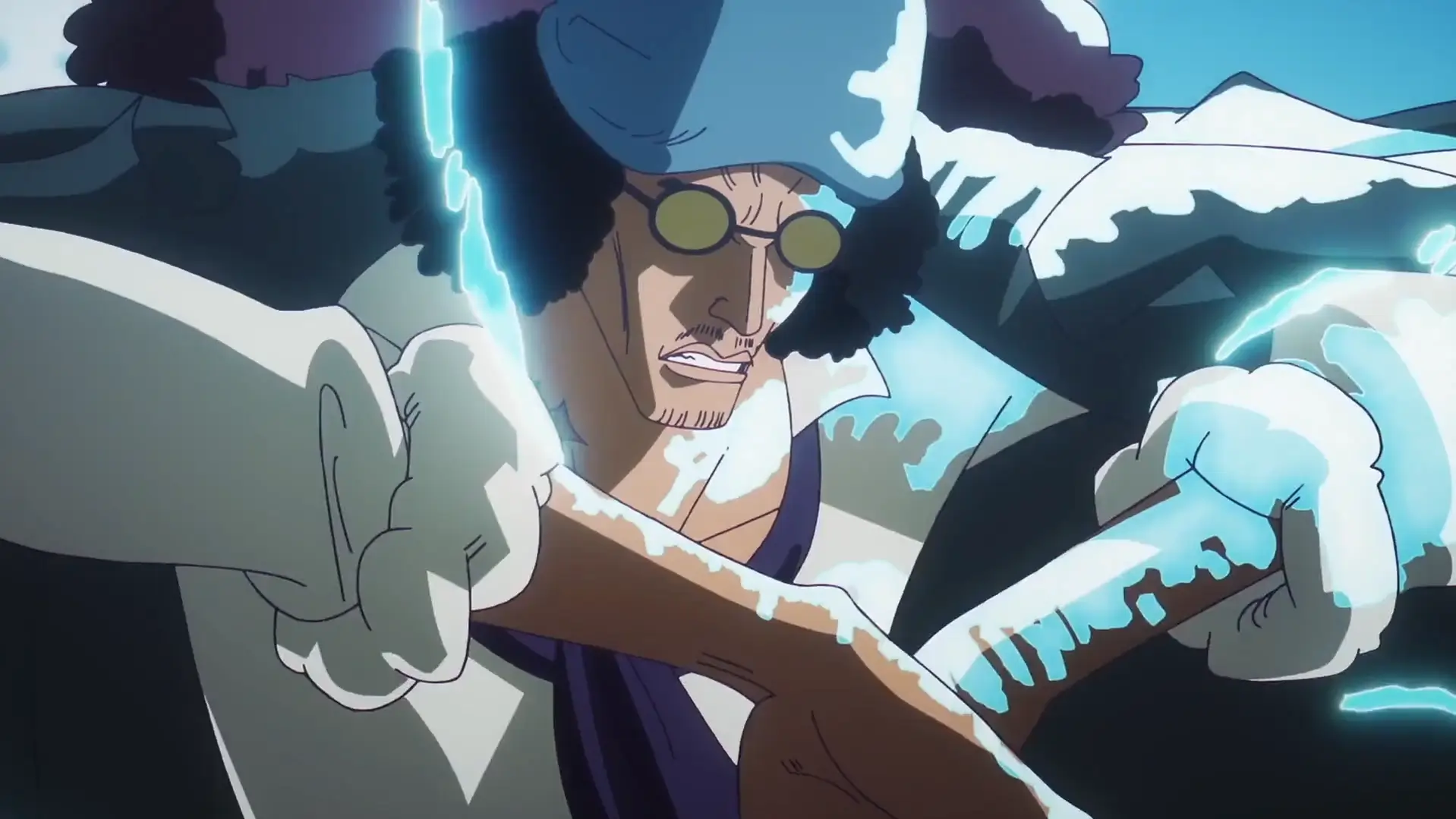
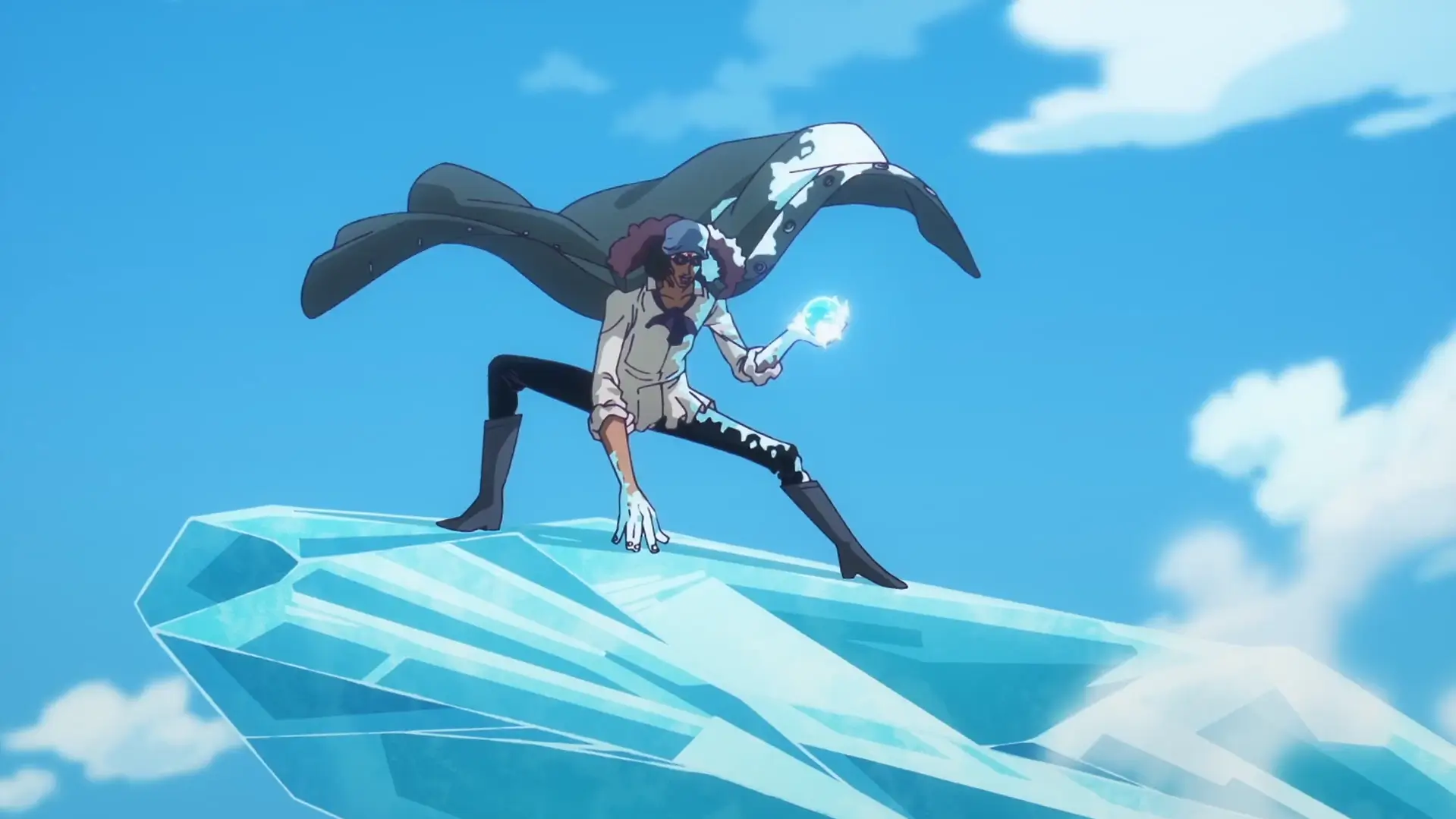
The Hie Hie no Mi grants dominion over sub-zero thermodynamics, allowing Aokiji to create, control, and transform into ice. Unlike most Logias, its user can partially negate standard Devil Fruit drowning by flash-freezing the sea beneath them, crafting temporary footholds. The chilled aura around his body is potent enough to lower ambient temperature across a battlefield, gradually sapping enemy stamina. In ship-to-ship warfare he punctures hulls, then flash-seals leaks, trapping crews in oxygen-starved holds—a chilling blend of mercy and menace.
Ice Techniques
Signature moves include Ice Age, a palm-outstretched wave that freezes hectares of ocean within seconds; Ice Time Capsule, which encases foes in layered crystal that melts on a timed delay; and Pheasant Beak, a spear-shaped blast that pierces steel battleships. He has demonstrated environmental creativity by erecting jagged ice pillars as optical cover, reflecting enemy laser beams back toward origin points, and forging tensile ice chains to yank airborne Devil Fruit users from the sky.
Haki Mastery
While less flamboyant than his Logia feats, Kuzan’s Haki is elite. He employed Observation to predict Whitebeard’s earthquake-induced water funnels at Marineford, skating clear milliseconds before rupture. His Armament coated an entire leg in ebony sheen to shatter diamond-hardened weaponry wielded by Jozu. Post-timeskip sparring rumors suggest he experiments with internal destruction flow, akin to the “Ryou” variant of Wano, hinting that his lethality is far from plateauing.
Physical Strength and Endurance
Years of cycling across archipelagos cultivated prodigious cardiovascular stamina; he can fight continuously for ten days, as evidenced by his duel with Sakazuki that reshaped Punk Hazard’s climate. Despite losing a leg in that clash—later replaced with an ice prosthetic—Kuzan’s mobility scarcely diminished. He shrugged off Conqueror’s Haki shockwaves that felled vice admirals en masse, and he once carried a sea-stone shackled battleship anchor as improvised flail, demonstrating brute force rivaling giants.
Tactical Intelligence
Kuzan reads geostrategic landscapes with near-prophetic clarity. During the Summit War he anticipated the Whitebeard Pirates’ underground infiltration via Oars Jr.’s corpse and preemptively iced subterranean caverns, blocking routes without alerting allies. He also pioneered temperature-based cryptography, sending frozen dispatches that melted into readable orders only upon arrival, thwarting Cipher Pol intercepts. Such unconventional thinking renders him unpredictable to both enemies and superiors.
Weaponry and Equipment
Beyond elemental attacks, Kuzan occasionally wields an ice saber formed around a simple metal hilt he keeps in his coat. The blade’s edge sublimates into superfine frost, eroding opposing weapons on contact. He is rarely seen without Ao Chari, a modified cruiser bicycle whose wheels are reinforced with sea-stone dust to withstand constant thermal cycling between tropical and glacial ecosystems.
Battle at Long Ring Long Land
Confronting the Straw Hat crew after their Davy Back Fight, Kuzan tested Nico Robin’s resolve by freezing her solid, then thawing her unharmed to illustrate the gulf between pirate and admiral power. He casually incapacitated Luffy, Zoro, and Sanji with minimal effort, yet refrained from arrests, underscoring his nuanced worldview: justice tempered by personal conscience rather than protocol.
War at Marineford
During the Paramount War, Kuzan’s ice neutralized Whitebeard’s tsunami pair by instantaneously encapsulating them, preventing a deluge that would have drowned both friend and foe. He later clashed with “Diamond” Jozu and halted Marco’s phoenix charge by flash-freezing healing flames—a feat thought impossible against Mythical Zoans. His composure amidst Conqueror’s Haki storms highlighted mental discipline vital for high-level confrontation.
Punk Hazard Duel
The decadal showdown with Sakazuki lasted ten relentless days, splitting the island into permanently dichotomous climates: blazing magma wasteland to the south, polar wasteland to the north. Kuzan suffered extensive burns and lost a limb, yet his endurance forced a stalemate until environmental collapse tipped odds toward Sakazuki. Choosing resignation over subordination to his ideological opposite, Kuzan surrendered his rank and departed on unknown roads.
Resignation from the Navy
Sengoku’s attempt to install Kuzan as Fleet Admiral failed when the World Government overrode his nomination. Feeling the institution had abandoned balanced justice, Kuzan severed decades-long ties. His departure destabilized internal morale; younger officers who admired his restraint questioned the direction under Akainu’s iron-fisted rule, sowing ideological schisms that still echo through Marine command structures.
Blackbeard Pirate Alliance
Kuzan’s shocking appearance alongside Marshall D. Teach sparked debate about covert motives. Officially, he accepted the role of Tenth Titanic Captain, leveraging the Blackbeard flagship’s resources while offering his Devil Fruit as deterrence against rival emperors. Fan theories posit double-agency with the Marine special-ops unit SWORD, or personal surveillance aimed at countering the World Government from outside its chain of command. Teach reportedly respects Kuzan’s autonomy, indicating a transactional partnership rather than blind allegiance.
Hachinosu Confrontation
In the Hachinosu rescue arc, Kuzan intercepted Vice Admiral Garp, freezing his mentor mid-onslaught to safeguard Teach’s headquarters. Their clash shattered harbor fortifications and sent permafrost shockwaves through pirate alleyways. Eyewitnesses recount Garp’s Galaxy Impact fracturing the ice prison, only for Kuzan to regenerate and counter with a colossal Ice Gladius. The skirmish ended in a tactical stalemate, but Garp’s subsequent disappearance left the Marines reeling.
Incidents After Two Years
Post-Hachinosu rumors reported Kuzan negotiating arms embargo loopholes in the Black Market to supply liberated nations opposing Celestial Dragon subjugation. Unverified intelligence suggests he briefly visited Egghead to consult Dr. Vegapunk on cryogenic stasis, possibly researching methods to preserve civilians during mass evacuations. While concrete details await official chapter release, such actions align with his history of humanitarian intervention.
Current Alignment and Goals
As of the most recent chapters, Kuzan’s stated ambition is to “observe the flow of the world and choose the lesser calamity.” Whether that equates to dethroning the World Government, dismantling Teach’s budding empire, or orchestrating both remains ambiguous. His cryptic conversations with Blackbeard about “a world without flags” imply a larger agenda transcending pirate or Marine dogma.
Relationships and Mentorships
Kuzan respects Garp as moral compass despite ideological divergence. He once clashed with Smoker over excessive collateral damage, yet subtly guided the younger commodore toward pragmatic leniency. His rapport with Jaguar D. Saul, the giant scholar he spared at Ohara, illustrates loyalty that eclipses institutional boundaries. Conversely, his rivalry with Sakazuki crystallizes the philosophical gulf that defines Marine factionalism.
Symbolism of the Blue Pheasant
The pheasant in Japanese folklore embodies winter’s stillness and hidden guardianship—fitting for an admiral whose powers halt motion and whose conscience silently shields innocents. The color blue evokes calm seas and impartial judgment, encapsulating Kuzan’s tendency to weigh every order against personal ethics before acting.
Voice and Performance
In the original Japanese anime, veteran seiyū Takehito Koyasu imbues Kuzan with languid baritone nonchalance, while Funimation’s Jason Douglas mirrors that energy for English audiences. Subtle vocal breaks during high-stakes moments—such as the tremor in his voice when remembering Ohara—add depth to an otherwise unflappable persona, earning praise for nuanced direction.
Appearances in Films
Kuzan features prominently in Film Z, where post-resignation he aids the Straw Hat Pirates against Zephyr’s Neo Marines, showcasing cooperative sword-and-ice choreography with Zoro. Cameo roles in Strong World and Stampede expand his legacy, often positioning him as wildcard observer rather than antagonist.
Appearances in Games
Playable iterations of Kuzan appear in Pirate Warriors series, One Piece: Unlimited World Red, and Grand Cruise, each emphasizing area-control mechanics reflective of his battlefield style. Developers often balance him by imposing stamina drains on large-scale freezes, an homage to the real-time fatigue his anime counterpart seldom shows.
Merchandising and Popularity
Statues by Megahouse’s Portrait of Pirates line capture fine details like frost-rimmed cuffs and the textured gaiters seen in anime redesigns. Limited-edition ice-blue translucent PVC variants sell out within minutes, reflecting sustained fan fascination. Polls in Weekly Shōnen Jump routinely place Kuzan in the franchise’s top twenty characters for charisma and depth.
Critical Reception
Reviewers laud Kuzan as Oda’s commentary on moral relativism: neither saint nor villain, he exposes structural contradictions within both Navy and pirate codes. Academic essays in Journal of Manga Studies link his narrative beats to Japanese post-war pacifism, suggesting his restraint mirrors national debates on military engagement.
Comparative Power Scaling
Analysts consistently rank Kuzan among the New World’s highest echelons, contending that only Logia counters like Enel and top Conqueror’s Haki users can reliably challenge him. His Logia nullifies conventional projectiles, forcing opponents to rely on haki-imbued strikes or extreme temperature resistance. Numerous tier lists place him marginally below current Yonko due to perceived lack of Conqueror’s Haki, yet still capable of stalemating them in favorable terrain.
Trivia and Enigmas
Oda designed Kuzan after actor Yūsaku Matsuda’s character in Detective Story, borrowing the slouching posture and sardonic grin. The kanji for his name includes “nine” and “mountain,” a pun on snow-capped peaks. Despite his ice motif, his favorite food is reportedly warm shumai, symbolizing hidden warmth beneath frosty exterior.
 All rights reserved © 2025