Nuts and Bolts
Nuts and Bolts are one of the most frequently required materials in Fortnite Save the World. They are necessary for crafting a wide range of items, especially ammunition and traps. Since most weapons need ammo, having a large stockpile of Nuts and Bolts is essential. You’ll also need them to craft certain mechanical trap components, making them indispensable for defense-oriented players. The demand for Nuts and Bolts tends to rise quickly as you progress in power levels and face tougher enemies. Gathering them consistently ensures you’ll never have to worry about running out of ammo or being unable to build high-damage traps in the heat of battle.
To farm Nuts and Bolts effectively, keep an eye out for vehicles, such as cars, trucks, and RVs scattered throughout suburban or urban maps. Destroying these vehicles typically yields a good number of Nuts and Bolts. Vending machines also provide them if you destroy the machine with your pickaxe. Some mission objectives and map locations may include mechanical objects like forklifts, shopping carts, or industrial machinery, which can also offer a steady supply. Whenever you see a mechanical or metallic item, take a moment to break it down. While it may be time-consuming, maintaining a large cache of Nuts and Bolts will allow you to craft all the necessary ammunition types and keep your traps well-supplied, ensuring you’re always battle-ready.
Planks
Planks are another foundational ingredient that might seem mundane at first but become crucial over time. Used in low-level trap crafting and certain weapon schematics, Planks come from wooden objects like fences, pallets, and trees. Although Planks are typically easier to find compared to more specialized ingredients, players often find themselves running short when they are mass-producing traps for large-scale defenses, such as Storm Shield Defense missions. Since Planks are also used in crafting some base-level healing items, you can never really have too many.
To farm Planks efficiently, concentrate on areas filled with wooden structures: suburban backyards with fences, construction sites packed with wooden pallets, or forested environments rich in trees. Pallets, in particular, yield larger quantities of Planks, so target those whenever you find them. If you’re running a farming mission specifically to stock up on Planks, bring along heroes equipped with harvesting perks that increase the yield of resources gathered. Also, keep an eye on the mission modifiers; certain missions offer increased resource drops. Taking advantage of these can quickly fill your inventory with the essential Planks needed for multiple crafting recipes.
Stringy Twine, Simple Twine, and Sturdy Twine
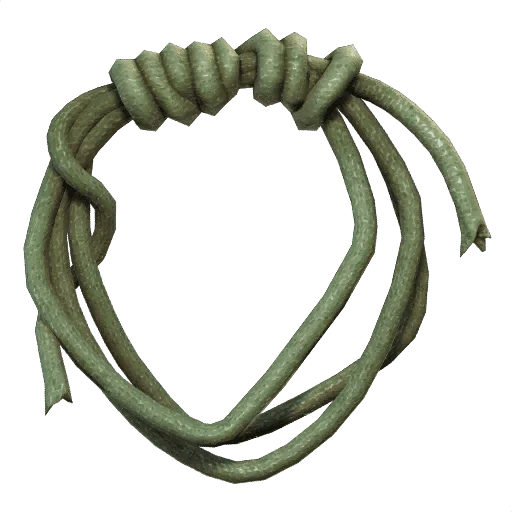
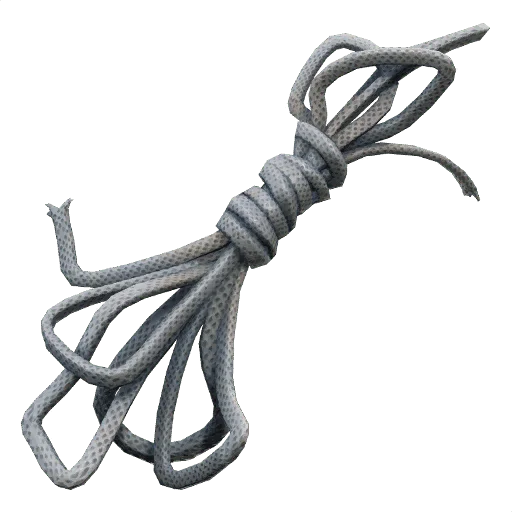
Twine of various quality levels-Stringy Twine, Simple Twine, and Sturdy Twine-serves as a critical ingredient in a broad spectrum of crafting recipes. From basic melee weapons to essential traps, you’ll find yourself needing different kinds of Twine as you progress through Fortnite Save the World. Upgrading your schematics often requires higher-tier Twine, making the process of collecting and managing Twine an ongoing task. Without enough Twine, you’ll hit a wall in your crafting, particularly for mid-level traps and advanced melee weapon types that can deal significant damage.
Finding Twine generally involves harvesting vegetation, such as shrubs, bushes, and certain small trees. Rural and forested missions are excellent for discovering copious amounts of Twine, especially if you’re methodically clearing out plant life. Additionally, Twine can sometimes be gathered from searchables like crates or gardening boxes found in suburban areas. While each type of Twine correlates to the zone’s difficulty level and your own power level, you’ll still need to consistently farm low-level plants to secure a stable supply. If you notice you’re short on specific Twine tiers, revisit the appropriate zones to amass what you need. Players often overlook Twine in early stages, but its importance becomes apparent when advanced schematics call for large quantities. Staying mindful about collecting Twine prevents frustrating crafting bottlenecks later on.
Fibrous Herbs
Fibrous Herbs are a staple ingredient used in many healing items, such as bandages and health-based gadgets. They also appear in some high-tier trap recipes. Finding Fibrous Herbs requires searching through plant life, much like Twine, but Fibrous Herbs are more specific to certain types of flora. You’ll typically spot them in items that can be “searched” rather than just destroyed. An example includes the small vegetation clumps found around farmland or forest missions. When you search these clumps rather than harvesting them outright, you have a higher chance of obtaining Fibrous Herbs.
Once you gather enough Fibrous Herbs, you’ll be able to craft essential resources that keep your health up during tough encounters, especially in prolonged missions where you take chip damage from Husks. If you find your health constantly hovering in a risky zone, having craftable healing solutions becomes imperative. Farming suggestions include repeated runs of low-level rural zones, where vegetation is abundant and easier to clear. If possible, equip heroes or survivors with perks that increase the chances of finding extra consumables or ingredients. This approach can turn a single mission into a windfall of Fibrous Herbs for your entire team.
Bacon
Despite its name, Bacon in Fortnite Save the World isn’t solely a culinary treat but a crucial ingredient for multiple advanced crafting recipes. Often used in certain gadget-based traps and even some specialized ammo types, Bacon is moderately rare compared to Planks or Twine. You might also need Bacon when crafting specific healing items or utility items. The scarcity of Bacon can create bottlenecks if you don’t actively search for it in each mission.
You can often locate Bacon by searching kitchen areas within houses or by looting fridges, grills, and occasionally coolers found around suburban or camping-themed maps. Some players prioritize these search points because the random chance of obtaining Bacon might be the difference between being able to craft a life-saving trap or going without. Like many ingredients, Bacon can drop from a variety of sources, but it’s most reliably found in objects related to food storage. Keep an eye on your map for clusters of houses or camping sites if you specifically want to hunt for Bacon. Once you have enough, store it carefully because certain high-end schematics can deplete your Bacon stash faster than anticipated.
Nuts, Seeds, and Flower Petals
Nuts, Seeds, and Flower Petals are essential for crafting healing items like the Adrenaline Rush or other consumables that restore health or grant temporary buffs. While these ingredients might not appear as glamorous as mechanical parts or power cells, they are the backbone of survivability in higher-level content. Typically, you’ll come across these items by searching plants, bushes, and flower patches in various maps. They may also appear in random loot containers that have natural-themed contents.
When planning to farm these ingredients, choose a map with abundant greenery. A mission set in a forested region is perfect if you intend to stockpile Flower Petals or Seeds. Once you accumulate these items, craft healing potions or buff items to sustain you through formidable encounters. It’s essential not to overlook them, because while mechanical materials might be vital for your offense, seeds and petals will keep you alive when the going gets tough. Proper resource management ensures you can craft healing items on the fly, especially during waves of challenging husks or when your team splits up for different mission objectives.
Quartz Crystal
Quartz Crystal is considered a high-value, mid- to end-game ingredient. It’s frequently used in weapon schematics that focus on energy-based damage types, as well as in some advanced traps that utilize laser or plasma-based mechanics. The crystal itself is typically found in caves, mountainous terrain, or rock formations throughout the map. You’ll recognize its characteristic bright shape poking out of the ground or the side of a cliff. Players seeking Quartz Crystals often run repetitive missions in higher-level zones with mountainous areas because of their higher yield.
Once harvested, Quartz Crystals can serve to upgrade your gear to the next tier, especially if you’re aiming for an energy weapon that can effectively cut through husks of all elemental types. It can also be used for certain traps that demand precise energy distribution. If your playstyle revolves around powerful ranged energy weapons, amassing a healthy supply of Quartz Crystals is non-negotiable. Keep your eyes peeled for any underground caverns, as these areas often contain a cluster of valuable resources like Quartz, Malachite, and other ores necessary for top-tier crafts.
Mineral Powder (Rough, Simple, Fine, and Char Black)
Mineral Powder comes in various quality grades, each suited for different power levels of crafting. Rough Mineral Powder is the most common, found in lower-level areas by breaking rocks, boulders, or smaller stone objects. As you move into more challenging zones, you’ll start encountering Simple, Fine, and eventually Char Black Mineral Powder. These powders are crucial for building bombs and explosive traps, including items like the Rocket Launcher or advanced grenades.
To secure a stable supply of Mineral Powder, keep a lookout for rock formations in any mission. The higher the zone’s difficulty, the more likely you are to find advanced forms of Mineral Powder. Make a habit of bashing rocks between objectives so you’re never short when you need it most. Because your weapons, traps, and gadgets scale with your progression, you’ll notice higher-quality mineral requirements become more frequent. Pay attention to mission alerts and zone types that hint at larger mineral deposits. Over time, you’ll develop a sense of where to find each grade of Mineral Powder efficiently, ensuring you can always craft what your mission demands.
Ore (Copper, Silver, Malachite, Obsidian, Brightcore, and Sunbeam)
The progression of ores in Fortnite Save the World is closely tied to your item and power levels. Copper and Silver are used for lower-tier weapons, while Malachite and Obsidian serve mid-tier needs. Brightcore and Sunbeam represent the pinnacle of ore-based crafting, allowing you to create extremely powerful weapons capable of handling high-level husks with ease. Farming ores can be one of the more time-consuming activities, as you generally need to explore cave systems, mountainous regions, and specific mission zones to encounter high-yield ore veins.
When you’re focusing on ore farming, aim for missions where spelunking through caves is feasible. Use your pickaxe on visible deposits, and watch for hidden caverns indicated by breaks in the landscape. The color of the ore nodes will give you a clue as to what you’re about to mine, although in higher-level areas, multiple types of ores can appear side-by-side. If you’re leveling up your weapons regularly, consider devoting entire missions to ore farming so you don’t hit a crafting bottleneck. Over time, you’ll learn which mission types and zones best fit your desired ore tier, ensuring you can plan your resource runs accordingly.
Mechanical Parts (Rusty, Simple, Sturdy, and Mechanical Components)
Mechanical Parts, much like Mineral Powder and Twine, come in different quality levels. Rusty and Simple Mechanical Parts appear in lower-level missions, while Sturdy Mechanical Parts typically appear in mid-level missions. As you progress further, you’ll encounter even more advanced mechanical components essential for top-tier traps and weapons. Mechanical Parts are especially relevant for ranged weapon schematics that rely on advanced firing mechanisms, as well as robust trap designs that deal sustained damage or have complex mechanical triggers.
Vehicles and mechanical objects around the map are your primary sources for Mechanical Parts. Breaking down cars, buses, vending machines, and industrial machinery will yield these items. Once again, the higher the zone, the higher the likelihood of finding advanced mechanical parts. If you know you’ll be crafting an arsenal of high-damage traps or weapons, come prepared with ample inventory space to gather as many mechanical components as you can. Another tip is to coordinate with your squad; while one member focuses on objective tasks, another can roam the map methodically destroying every mechanical item. This division of labor can result in significant resource gains per mission.
Rotating Gizmo
Rotating Gizmos are a special kind of mechanical component needed for certain weapon upgrades, especially firearms with intricate rotating chambers or advanced firing mechanisms. They are less common than standard mechanical parts and cannot be harvested directly from every vehicle or machine. Instead, they drop from certain husks or are found in higher-end mechanical structures you destroy around the map. Because of their relative rarity, it’s wise to stockpile Rotating Gizmos whenever possible, especially if you prefer using weapons that call for them.
You might also obtain Rotating Gizmos by looting toolboxes, which have a small chance of dropping them. Events that feature special mission rewards can be another reliable source. For instance, if a mission’s alert suggests you can earn crafting materials, it might include Rotating Gizmos as part of the reward. Keep track of your supply because some of the best guns in the game require multiple Rotating Gizmos per craft. If you run out, you could find yourself stuck using suboptimal equipment until you replenish your stock.
Active Powercell
Active Powercells are among the most coveted resources for crafting high-tier weapons, especially those requiring an energy-based power source. Weapons that deliver elemental damage typically call for at least one Active Powercell during the crafting process. While you can find Active Powercells in various places, including toolboxes or mechanical objects, they are significantly rarer than standard mechanical parts. Certain husks, particularly Mimics or Mist Monsters, may drop them occasionally, adding to the difficulty of obtaining a sizable stash.
Because Active Powercells are such a bottleneck for energy weapons and top-tier gear, many players find themselves farming missions specifically for these cells. Ventures into industrial zones, missions with mechanical-themed rewards, or targeted hunts for high-value husks can yield better results. Another strategy is to trade with other players, offering them resources or weapons in exchange for Powercells. However, trading can sometimes be risky or lead to imbalanced exchanges if you’re not cautious. To maintain a steady supply, always break down mechanical targets and never pass up an opportunity to search toolboxes, hidden caches, or special chests. Doing so will ensure you can continuously craft the potent energy weapons that excel in end-game content.
Blast Powder
Blast Powder is an explosive ingredient necessary for the majority of ammo crafting in Fortnite Save the World. It’s typically crafted from Coal and other basic materials, making Coal itself a valuable resource if you’re mass-producing ammunition for energy weapons or shotguns that rely on shells. Because firearms are central to most players’ strategies, Blast Powder can disappear from your inventory surprisingly fast if you’re not careful.
To keep a steady supply of Blast Powder, focus on collecting Coal from caves, mines, and rocky areas where it’s commonly found. You can also find Coal in certain mission rewards or caches. If your weapon schematics demand large volumes of ammo, it’s wise to dedicate time in each mission to gather Coal. Once you have a healthy stash, you can convert it into Blast Powder and then craft any ammo type you need, from Light Bullets for submachine guns to Shells for shotguns. This cyclical process is critical to ensuring you never run out of firepower in the middle of a mission.
Coal
Coal itself deserves a separate mention because it’s not only used in crafting Blast Powder but also appears in other recipes, like healing items and certain traps. Coal is typically found in the same areas where you discover ore and crystals-caves, rocky hills, and mining shafts. Although it’s not as rare as Active Powercells or higher-tier ores, it is essential, so skipping out on Coal might lead to ammo shortages.
When embarking on resource runs, always plan a route that includes a thorough exploration of underground or mountainous paths. Check your quest objectives and see if there’s a portion of the map that naturally leads you through a cave network. Doing so not only helps you complete missions efficiently but also guarantees you pick up Coal along the way. As with other resources, consider hero perks that increase mining yield or reduce harvest time, making your Coal farming more efficient. Maintaining a robust Coal supply keeps your Blast Powder production steady, which in turn ensures that you and your team remain well-armed.
Adhesive Resin
Adhesive Resin is another ingredient that might not get as much attention early on but becomes vital for specific trap schematics and certain advanced crafting formulas. This sticky substance often appears when you harvest particular types of trees, especially the larger ones in forest biomes. You may also encounter it in certain side objectives, such as tree stumps or log piles, though it’s often overshadowed by more commonly sought-after items like Planks or Twine.
Still, if you plan on crafting traps that rely on a cohesive agent-like those requiring advanced binding mechanisms-Adhesive Resin is non-negotiable. Keep an eye out for tree types that drop resin; these are usually larger or distinct in shape, and searching or harvesting them can sometimes yield a decent amount. Because Adhesive Resin is specialized, it doesn’t have as wide a range of uses as, say, Nuts and Bolts, but it’s indispensable for the recipes that do call for it. If you see it, grab it. You’ll thank yourself later when you’re not stuck in the middle of a mission trying to craft a crucial trap only to realize you’re missing the adhesive ingredient.
Batteries
Batteries may be overshadowed by more iconic ingredients like Active Powercells or certain ores, but they play a fundamental role in building and maintaining some energy-related equipment. Often, a variety of traps and gadgets need Batteries for their construction. You might think of them as the stepping stone between Active Powercells and simpler mechanical components. They’re found in mechanical objects around the map-particularly in electronics like televisions, computers, or specialized consoles you can destroy and search.
If your playstyle leans heavily toward using traps that discharge electricity or energy pulses, you’ll find yourself needing a consistent supply of Batteries. Checking suburban homes thoroughly is a good idea, as they contain numerous electronic devices. Industrial missions also feature heavy machinery or control panels that might yield more Batteries than typical suburban or rural areas. Additionally, if you’re not having luck finding enough, keep an eye on mission alerts that specifically mention mechanical rewards. Those special alerts might drop an extra bundle of Batteries at the end of the mission, saving you time and ensuring you have enough for your next big wave defense.
 All rights reserved © 2025








Comments
You need to be logged in to leave a comment. Sign in or sign up